First Aid for Reflux (Heartburn)

How-To
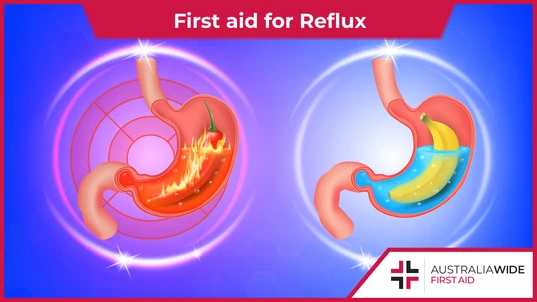
Acid reflux is a condition in which stomach acid rises into the oesophagus. It occurs when the oesophageal sphincter does not tighten properly, such as when we eat too much food. Though acid reflux is usually not a cause for concern, it can lead to oesophageal scarring if left untreated.
Reflux, or heartburn, occurs when stomach acid moves back into the oesophagus and causes discomfort. This is a common biological phenomenon where one in five Australians are said to regularly experience reflux. While heartburn itself is not a health concern, it can be a symptom of a different medical condition. Prolonged reflux issues can induce other health problems. Knowing heartburn first aid can help reduce the resulting symptoms and discomfort.What is Reflux?
Reflux is described as the feeling of pain in your chest area resulting from your stomach acid irritating your oesophagus. This pain can last for a few minutes and up to a few hours. The feelings intensify after eating a large meal, at night, or laying down. Heartburn that has intense or prolonged symptoms is called Gastro-oesophageal Reflux Disease. Also known as heartburn, the cause and symptoms of reflux are not related to the heart. However, sometimes the discomfort from the symptoms affects the chest area.What Causes Reflux?
The scientific explanation for reflux is a problem with the oesophagus. Heartburn begins at the bottom of the oesophagus, or the lower oesophageal sphincter. Normally, food enters the stomach when the lower oesophageal sphincter loosens to allow food to enter the stomach. After the food enters, it contracts again. Occasionally, the lower oesophageal sphincter does not tighten after food enters the stomach. This can cause stomach acid to back up into the oesophagus. This causes the discomfort in the chest, or reflux. The relaxing of your lower oesophageal sphincter can be caused by a multitude of factors. The main reason being overeating but can also be a result of obesity, pregnancy, or constipation. High levels of stomach acid can also force its way back into the oesophagus, causing the burning sensation of reflux. There are certain types of food that can increase your level of stomach acid. This includes food with high acidity, like tomatoes and citrus; high in fat and oils, like bacon and fries; and certain medication, like antibiotics and iron supplements.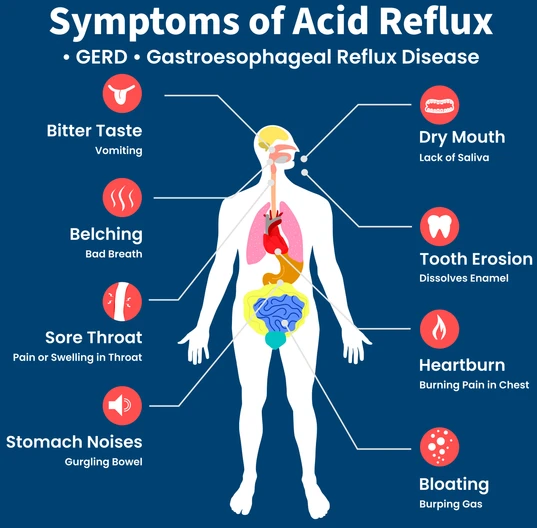
Signs and Symptoms of Heartburn
Reflux is described as the feeling of pain in your chest area. However, there may be other signs that show that you may have heartburn, including:- Burning sensation or discomfort in the chest,
- Increased pain when lying down,
- Acidic, bitter, hot, or salty taste in your mouth, or
- Difficulty swallowing
First Aid for Heartburn
Heartburn often passes after a few hours. However, if your symptoms are too much to handle, here are some tips to help you limit the pain:- Take medication – Antacids, H2 blockers, and proton pump inhibitors decreases the pain caused by heartburn through lowering the level of stomach acid. Remember to consult a doctor before taking any medicine.
- Eat specific types of food – Like medication, certain food can help limit stomach acid in the esophagus and reduce heartburn. This includes non-fat yogurt, ginger, and melons.
- Loosen your clothing and straighten your posture – Heartburn symptoms can be magnified when pressure is applied to your stomach. Wearing loose clothing and sitting upright helps decrease discomfort.
When to See a Doctor
Reflux is often a result of overeating and is often not a cause for concern. However, there may be times when heartburn can be an indicator for other health problems. Make an appointment with your doctor if:- Symptoms are frequent and persistent.
- Reflux induces nausea or vomiting
- Symptoms persist even if you have taken medication.
- Reflux causes difficulty to eat or swallow.
- Reflux is interfering with your diet and daily life.
Conclusion
Acid reflux is a condition in which stomach acid rises into the oesophagus. It occurs when the oesophageal sphincter does not tighten properly and allows acid to flow from the stomach back into oesophagus. This can cause a burning sensation in the chest, known as heartburn, and lead to oesophageal scarring and damage if left untreated. There are certain foods that you can eat at home to lessen the symptoms of heartburn, including melon, ginger, and low-fat yogurt. To learn more about how to identify and manage the symptoms of acid reflux, book a First Aid course with Australia Wide First Aid today.
Originally published at
https://www.australiawidefirstaid.com.au/resources/first-aid-for-reflux-heartburn
as part of the Australia Wide First Aid Articles Library
Related Articles
First Aid for Choking
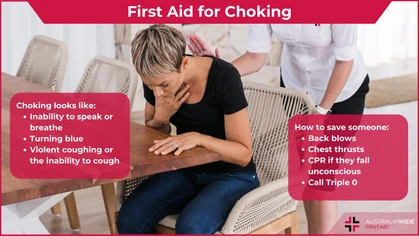
Choking occurs when an object or a piece of food becomes lodged in the throat, blocking the airway. The adult or child will have difficulty breathing, and may lose consciousness. Quick and effective action is essential to prevent severe consequences and death.
Fluid Draining from an Ear
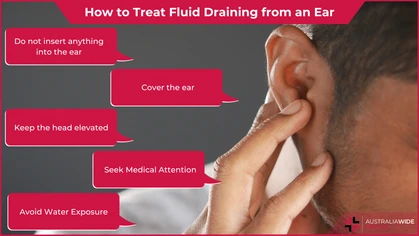
Knowing how to provide first aid for fluid draining from an ear is crucial to alleviate discomfort and potentially prevent complications.

First Aid for Nose Bleeds
This article covers treatment/first aid for nose bleeds, and also covers all of the common misconceptions and myths about treating a bleeding nose.

Relieving Shin Splints
Learn about Shin Splints Diagnosis and Treatment and Preventative Tips for this common injury that affects runners and athletes. Discover how to relieve pain and discomfort in the lower leg and prevent future episodes. Consult a healthcare professional for proper diagnosis and treatment options.

First Aid for Hypoglycaemia
Hypoglycaemia or low blood sugar, is a dramatic imbalance where the tissues, especially the brain cells, become starved of essential blood sugar. This can lead to the casualty becoming unconscious and death may follow within hours.
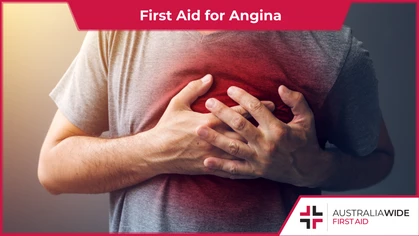
First Aid for Angina
Angina is a tightness, pressure or discomfort in the chest caused by a lack of blood and oxygen to the heart muscle. Angina does not damage the heart muscle, but can be a warning sign for heart attack.
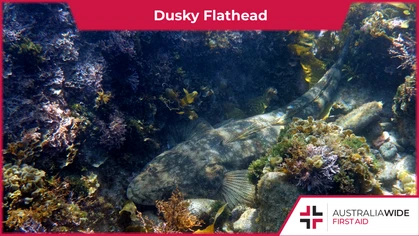
First Aid for Dusky Flathead Sting
The Dusky Flathead is the largest flathead species in Australia. It is common in rocky reefs and shallow muddy areas along the Australian east coast. They have venomous spines along their body that can cause severe pain and possible infection.

First Aid for Hyperventilation
Hyperventilation is an emotional response to stress, anxiety or fear that quickens breathing. Hyperventilation depletes the carbon dioxide in the body and reduces the supply of oxygen to vital organs and can lead to blurred vision, hand and finger spasms, and even collapse.

First Aid for Crush Injury
A crush injury can result from any object that exerts applied and continual force on the body. Without immediate first aid and medical attention, a crush injury can lead to heart, lung, and kidney failure.
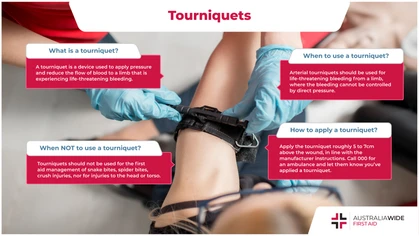
Tourniquets | First Aid How-To
A tourniquet is a device used to apply pressure and reduce the flow of blood to a limb that is experiencing life-threatening bleeding. When applied correctly, tourniquets can increase the rate of survival to 90%.