First Aid for Crush Injury

How-To
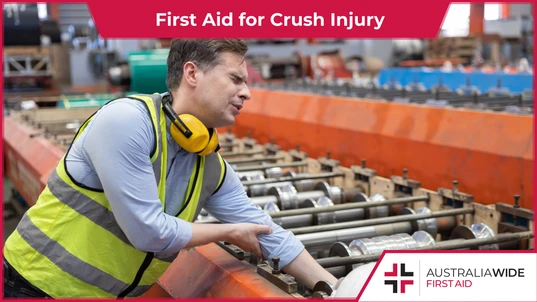
A crush injury can result from any object that exerts applied and continual force on the body. Without immediate first aid and medical attention, a crush injury can lead to heart, lung, and kidney failure.
Any object that exerts applied and continual force on the body can result in a crush injury. Car accidents or collisions, fallen trees, at home or industrial accidents are all common incidents that may cause a crush injury. A crush injury can be life threatening depending on where it is on the crushed victim's body, and how long they have been trapped - that is, the compression time. When a limb or body part is under pressure, blood flow becomes restricted to that area. In cases of a crush injury, this causes a build up of toxins that have severe internal and external complications and lead to heart, lung and kidney failure. The severity of a crush injury is dependent on how long the crush is sustained. Applying immediate first aid along with calling 000 for emergency medical attention is paramount. Continue reading to learn about what to do in such an emergency. And if you are interested in learning more about crush injuries, enrol in one of our first aid courses: Head to our website to find a course near you - we have locations all across Australia.What is a crush injury?
Crush injury is most common in accidents - car collisions, objects falling in industrial or domestic accidents, or a fallen tree. Crush injury is common during natural disasters such as floods, earthquakes or bushfires, where buildings, furniture, trees or tree limbs become dangerous, unpredictable objects. A crush injury to the head, neck or chest is life-threatening. Pressure exerted on vital life functioning organs such as the lungs, brain and spinal cord can result in immediate or rapid death. A crush injury to the rest of the body can also be life-threatening and should always be treated as an emergency. Damage from a crush injury includes:- External and internal bleeding
- Bruising
- Broken bones or fractures
- Deep cuts and wounds (laceration)
- Injury to nerves and risk of infection
- Crush syndrome
What is crush syndrome?
Crush syndrome can occur when prolonged pressure and force is applied to a part of the body. In a crush injury, blood flow is restricted both to and from the area and the cells, suffering from lack of blood flow, start to effectively die. They then release an excessive amount of toxins, such as potassium, phosphorus and myoglobin. Crush syndrome is a condition that happens when the pressure is released. Blood once again flows into the area and transports the excessive amount of toxins to the rest of the body. These toxins can disrupt the regular functions of the heart, lungs and kidneys. If not treated promptly and correctly it may result in rapid organ failure that leads to death.Signs and symptoms of a crush injury
The most obvious signs of a crush injury will be the object causing the crush. As crush injuries are usually accidents and unexpected, check, ensure and be aware that the surroundings are safe before administering first aid. Signs and symptoms may vary depending on the location, pressure and circumstances of the crush injury - some victims experience excruciating pain, while others lose all feeling. External signs of injury can include:- Bleeding
- Open wounds
- Bruising
- Broken bones
- Presence of object causing accident

When treating a crush victim, it is important to assess the emergency scene for any physical risks, as the most obvious sign of a crush injury is the object causing the accident, such as a fallen tree or crashed car.
Management of crush injuries
All crush injuries should be assessed by a medical professional. Seek and follow emergency professional advice if administering first aid to a crush injury:- Use DRSABCD to ensure the area is safe
- Call Triple Zero (000) and seek advice from the operator
- If it’s safe, and physically possible, remove the crushing object as soon as possible
- If unable to physically remove the object (tree, car, etc.) seek medical advice before moving it
- Control any bleeding and manage any other injuries
- Treat for shock
- Remain with the casualty and provide comfort and reassurance
- Continue to monitor the casualty - if they become unresponsive and cease breathing normally, commence CPR
Final thoughts
Crush injury is caused by heavy pressure when a body part is jammed between two objects. Crush injuries may result from car accidents, fallen trees, falling objects, or industrial, domestic or agricultural accidents. Crush injury can be fatal, life-threatening and may result in the amputation of limbs. It is important to treat any crush injury as an emergency and call an ambulance. If the crush is sustained for a long period of time it can cause crush syndrome, the release of toxins that cause brain, lung or kidney failure. If you are interested in learning more about first aid for crush injury, enrol in one of our first aid courses: Head to our website find a course near you - we have locations all across Australia.
Originally published at
https://www.australiawidefirstaid.com.au/resources/first-aid-for-crush-injury
as part of the Australia Wide First Aid Articles Library
Related Articles
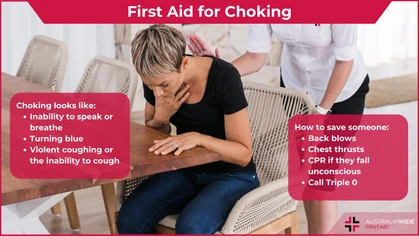
First Aid for Choking
Choking occurs when an object or a piece of food becomes lodged in the throat, blocking the airway. The adult or child will have difficulty breathing, and may lose consciousness. Quick and effective action is essential to prevent severe consequences and death.
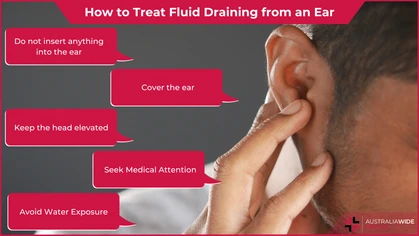
Fluid Draining from an Ear
Knowing how to provide first aid for fluid draining from an ear is crucial to alleviate discomfort and potentially prevent complications.

First Aid for Nose Bleeds
This article covers treatment/first aid for nose bleeds, and also covers all of the common misconceptions and myths about treating a bleeding nose.

Relieving Shin Splints
Learn about Shin Splints Diagnosis and Treatment and Preventative Tips for this common injury that affects runners and athletes. Discover how to relieve pain and discomfort in the lower leg and prevent future episodes. Consult a healthcare professional for proper diagnosis and treatment options.

First Aid for Hypoglycaemia
Hypoglycaemia or low blood sugar, is a dramatic imbalance where the tissues, especially the brain cells, become starved of essential blood sugar. This can lead to the casualty becoming unconscious and death may follow within hours.
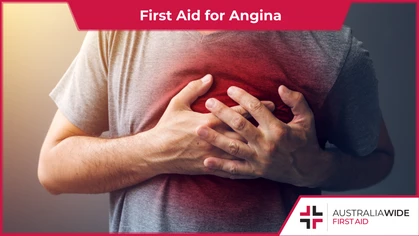
First Aid for Angina
Angina is a tightness, pressure or discomfort in the chest caused by a lack of blood and oxygen to the heart muscle. Angina does not damage the heart muscle, but can be a warning sign for heart attack.

First Aid for Dusky Flathead Sting
The Dusky Flathead is the largest flathead species in Australia. It is common in rocky reefs and shallow muddy areas along the Australian east coast. They have venomous spines along their body that can cause severe pain and possible infection.

First Aid for Hyperventilation
Hyperventilation is an emotional response to stress, anxiety or fear that quickens breathing. Hyperventilation depletes the carbon dioxide in the body and reduces the supply of oxygen to vital organs and can lead to blurred vision, hand and finger spasms, and even collapse.
Tourniquets | First Aid How-To
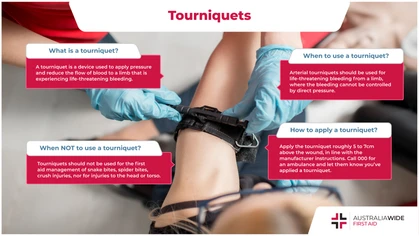
A tourniquet is a device used to apply pressure and reduce the flow of blood to a limb that is experiencing life-threatening bleeding. When applied correctly, tourniquets can increase the rate of survival to 90%.
Shock | First Aid
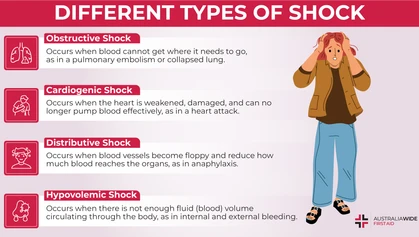
Shock is a medical emergency that occurs when there is not enough blood circulating through the body due to an illness or injury, such as anaphylaxis or external bleeding. Shock is a deteriorating condition that does not allow the casualty to recover without medical intervention.