How to Identify and Treat Alcohol Poisoning

How-To
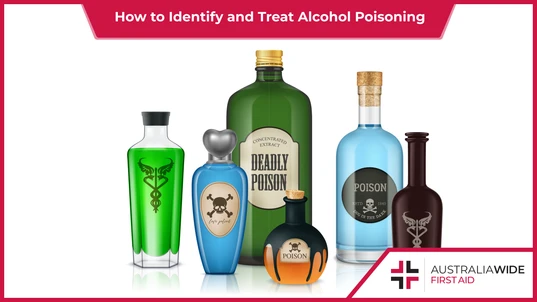
Alcohol poisoning occurs when a person drinks a large amount of alcohol, forcing their blood alcohol concentration to toxic levels. It is important to know first aid for alcohol poisoning, as it can result in unconsciousness and even death.
Alcohol poisoning is a result of drinking a large amount of alcohol in a short timeframe. It increases blood pressure, heart rate, dizziness and results in poor concentration. However, alcohol poisoning can have severe effects and become a life-threatening emergency. In Australia, 6,000 lives are lost from alcohol related diseases every year and long-term alcohol consumption leads to more than 200 different types of diseases and injuries. Today, we are going to cover the following information about alcohol poisoning: causes, signs, symptoms, complications, first aid treatment and medical treatment. It is important for you to know first aid for alcohol poisoning. That way, you can recognise the signs of alcohol poisoning early, and take proactive actions to get the victim medical help immediately, and thereby increase their chances of survival.What causes Alcohol Poisoning?
The main cause of alcohol poisoning is binge drinking. The definition of binge drinking according to the Australian Drug Foundation is to "drink heavily over a short period of time with the intention of becoming intoxicated". Generally, the liver can only process one standard alcoholic drink per hour. Consuming more alcohol than the liver’s workload will force the liver to redirect the alcohol into the bloodstream and throughout the body. The more alcohol you drink, the higher your blood alcohol concentration becomes till it reaches a toxic level and causes an alcohol overdose. Even if you stop drinking or fall unconscious, the alcohol will still continue to enter the bloodstream, further increasing the blood alcohol concentration.Signs and Symptoms of Alcohol Poisoning
Mild signs and symptoms (last 24 hours):- Headache
- Muscle pain
- Weakness
- Increased heart rate
- Increased blood pressure
- Increased sensitivity to light and sound
- Restless sleep
- Confusion
- Seizures
- Cyanosis (blue skin) or pale skin
- Clammy skin
- Hypothermia (low body temperature)
- Unconscious and cannot be woken up
Complications of Alcohol Poisoning
Short term complications include:- Accidental injury to yourself and to others
- Road traffic accident
- Family and domestic violence
- Hangovers
- Liver cirrhosis and liver failure
- Brain damage
- High blood pressure
- Cancers
- Increased risk of diabetes
- Mental health illnesses, increased risk of suicide
First Aid for Alcohol Poisoning
- Call triple zero (000) immediately and follow the DRSABCD procedure.
- Move the person to a safe, quiet space.
- While you wait for help, keep him/her warm.
- If unconscious, place the person in a recovery position and check for breathing.
- If awake, place the person in a sitting position.
Prevention
- Count the number of drinks you have had.
- Limit yourself to one alcoholic drink per hour.
- Avoid chugging contests or drinking games.
- Stay with friends who appear to be intoxicated.
- If you notice signs and symptoms of alcohol poisoning, call triple zero (000) immediately.
Medical Treatment for Alcohol Poisoning
When the victim is taken to the hospital and the mild symptoms of alcohol poisoning are increasingly getting worse, the doctors would arrange for some investigations and prescribe medications. They include:- Blood glucose level monitoring
- Electrocardiogram (ECG) monitoring
- Urea and electrolytes level monitoring
- Blood alcohol concentration monitoring
- Consider CT brain if decreasing conscious state
- Prescribe benzodiazepines for alcohol withdrawal and symptoms control
Originally published at
https://www.australiawidefirstaid.com.au/resources/alcohol-poisoning-identify-treat
as part of the Australia Wide First Aid Articles Library
Related Articles
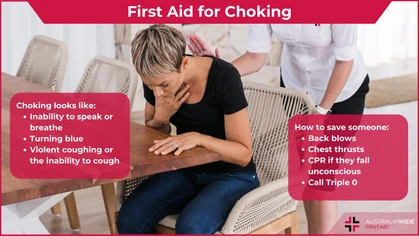
First Aid for Choking
Choking occurs when an object or a piece of food becomes lodged in the throat, blocking the airway. The adult or child will have difficulty breathing, and may lose consciousness. Quick and effective action is essential to prevent severe consequences and death.
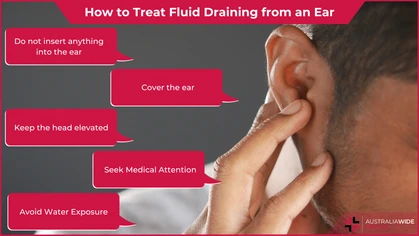
Fluid Draining from an Ear
Knowing how to provide first aid for fluid draining from an ear is crucial to alleviate discomfort and potentially prevent complications.
First Aid for Nose Bleeds
This article covers treatment/first aid for nose bleeds, and also covers all of the common misconceptions and myths about treating a bleeding nose.

Relieving Shin Splints
Learn about Shin Splints Diagnosis and Treatment and Preventative Tips for this common injury that affects runners and athletes. Discover how to relieve pain and discomfort in the lower leg and prevent future episodes. Consult a healthcare professional for proper diagnosis and treatment options.
First Aid for Hypoglycaemia
Hypoglycaemia or low blood sugar, is a dramatic imbalance where the tissues, especially the brain cells, become starved of essential blood sugar. This can lead to the casualty becoming unconscious and death may follow within hours.
First Aid for Angina
Angina is a tightness, pressure or discomfort in the chest caused by a lack of blood and oxygen to the heart muscle. Angina does not damage the heart muscle, but can be a warning sign for heart attack.
First Aid for Dusky Flathead Sting
The Dusky Flathead is the largest flathead species in Australia. It is common in rocky reefs and shallow muddy areas along the Australian east coast. They have venomous spines along their body that can cause severe pain and possible infection.
First Aid for Hyperventilation
Hyperventilation is an emotional response to stress, anxiety or fear that quickens breathing. Hyperventilation depletes the carbon dioxide in the body and reduces the supply of oxygen to vital organs and can lead to blurred vision, hand and finger spasms, and even collapse.
First Aid for Crush Injury
A crush injury can result from any object that exerts applied and continual force on the body. Without immediate first aid and medical attention, a crush injury can lead to heart, lung, and kidney failure.
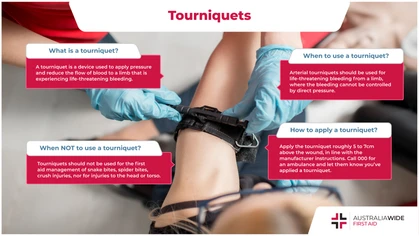
Tourniquets | First Aid How-To
A tourniquet is a device used to apply pressure and reduce the flow of blood to a limb that is experiencing life-threatening bleeding. When applied correctly, tourniquets can increase the rate of survival to 90%.