9 Golden Rules of Safety on the Hiking Trail

Danger
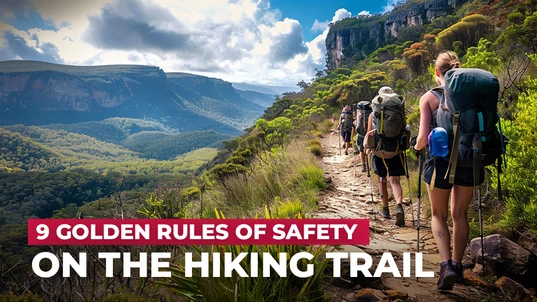 The Land Down Under is a hiker’s paradise. You needn’t travel very far to satiate your thirst for adventure; in many cases, it’ll be as easy as packing your gear, driving to the nearest natural reserve, and completing the trail itself.
Australia is already famous for its natural terrains and the diversity of its flora and fauna, so what better way to discover these than to take a hike through renowned trails like the Larapinta Trail in the West MacDonnell Range, the Scenic Rim Trail in South East Queensland, the Twelve Apostles Lodge Walk in Victoria, and the West Coast’s Cape to Cape Track?
But a hike is best enjoyed if everyone looks out for their safety and that of others. Even a hike planned by the most seasoned of outdoorsmen is not without risk, and all members of a hiking party are vulnerable to both minor inconveniences (such as scrapes, sunburn, and insect bites) and major perils (such as fractures, heat strokes, and anaphylactic shock).
Australia Wide First Aid teaches first aid for everyone, including those just preparing to venture out into the hiking trail. We believe that first aid techniques, alertness and sensitivity, sufficient preparation, and respect for the rules governing the trail are the key to a successful hiking expedition. And to that end, we’ve compiled a list of “golden rules” to uphold hiking safety and to ensure that your next hike will be a fun and fruitful activity. Read below for our tips on safety in the great outdoors.
The Land Down Under is a hiker’s paradise. You needn’t travel very far to satiate your thirst for adventure; in many cases, it’ll be as easy as packing your gear, driving to the nearest natural reserve, and completing the trail itself.
Australia is already famous for its natural terrains and the diversity of its flora and fauna, so what better way to discover these than to take a hike through renowned trails like the Larapinta Trail in the West MacDonnell Range, the Scenic Rim Trail in South East Queensland, the Twelve Apostles Lodge Walk in Victoria, and the West Coast’s Cape to Cape Track?
But a hike is best enjoyed if everyone looks out for their safety and that of others. Even a hike planned by the most seasoned of outdoorsmen is not without risk, and all members of a hiking party are vulnerable to both minor inconveniences (such as scrapes, sunburn, and insect bites) and major perils (such as fractures, heat strokes, and anaphylactic shock).
Australia Wide First Aid teaches first aid for everyone, including those just preparing to venture out into the hiking trail. We believe that first aid techniques, alertness and sensitivity, sufficient preparation, and respect for the rules governing the trail are the key to a successful hiking expedition. And to that end, we’ve compiled a list of “golden rules” to uphold hiking safety and to ensure that your next hike will be a fun and fruitful activity. Read below for our tips on safety in the great outdoors.
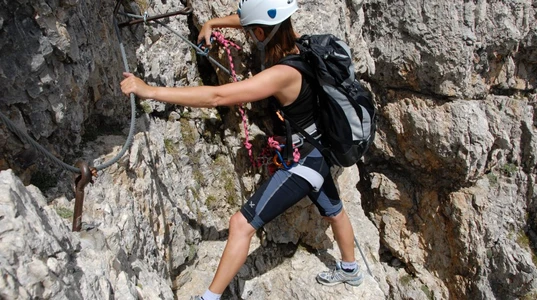
As this rock wall shows, hiking presents many physical challenges.
1. Stay in good health and condition your body prior to the hike
Hiking is a physically demanding activity, and you must remember that your body is susceptible to additional shock, strain, or fatigue when you’re on the trail. If your body is unprepared to endure the outdoors, you could suffer anything from severe cramps to a heart attack—in which case a first aid responder will need to intervene by applying CPR. Note that cardiac arrest is one of the most significant causes of death in the outdoors. As such, you should only agree to go on a hike if you are cleared by the doctor and if you can trust your body to take you through the whole trail.2. Don’t assume that any hike will be danger- or accident-free
It’s best to be prepared for the worst, even if the worst doesn’t happen on this particular hike. Do the entire hiking party the favour of learning basic first aid and packing a portable emergency kit with bandages, ointments, antihistamines, painkillers, maintenance medication, and the like. In case one of your party members suffers from a serious condition like an asthma attack or anaphylactic shock due to a venomous bite or sting, it would also help to learn how to administer treatment for asthma or anaphylaxis.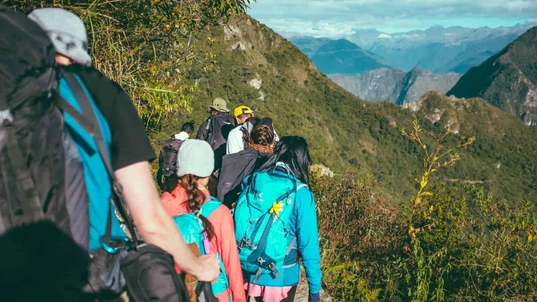
Members of a hiking party on the trail.
3. Hike only when the weather is favourable
Bad weather can incite storms, flash floods, or other natural hazards—all of which pose additional dangers in the environment. Be smart about your hike and schedule it outside of the erratic seasons; if the day’s forecast predicts a sudden shift in the weather, it’d be best to postpone your hike.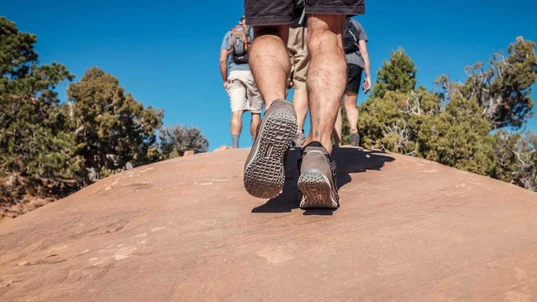
Hikers pause on the trail to enjoy their environment.
4. Stay on the trail, and follow all of its rules
Once you agree to a hike in a particular natural reserve, you enter a tacit agreement to keep yourself safe, to respect the environment and its inhabitants, and to keep the trail in good condition for future hikers. Learn the rules of your chosen trail beforehand; observe each decree to avoid penalties or, worse yet, disastrous events that are out of everyone’s control.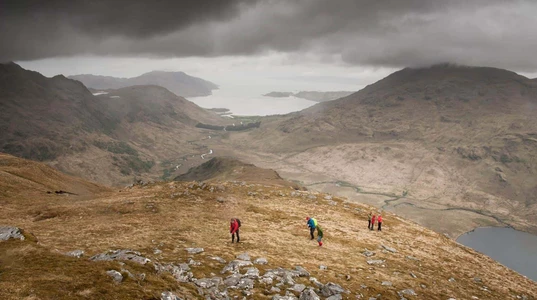
Members of hiking parties should remain in close contact.
5. Stay in sight of your hiking company
Even if you are already familiar with a trail and you feel that you could traverse it in your sleep, never go on a hike alone. While on the trail, do not stray more than a few steps out of your party’s line of vision. If anything happens to you, it is the people in your company who will act as your first responders.
A compass for orienteering on the hiking trail
6. Keep a trail map and compass to supplement your GPS and mobile data
Navigating a hike is much less difficult than before with the advent of GPS and accessible mobile Internet. It’s a great idea to use your mobile phone, tablet, or wearables to help you find your way. But in case you run out of battery, lose Internet connectivity, or suffer a device malfunction, it is good to keep a physical map of the trail and a compass handy.7. Carry the right gear and learn to use it properly
Stock up on hiking gear that is of top-quality, multipurpose, easy to store, and light on your back. You will definitely not want your backpack, flashlight, or multi-tools giving up on you in the middle of nowhere. If you’re not confident about roping, carving, or other skills needed for your hike, you can practisce beforehand in your home.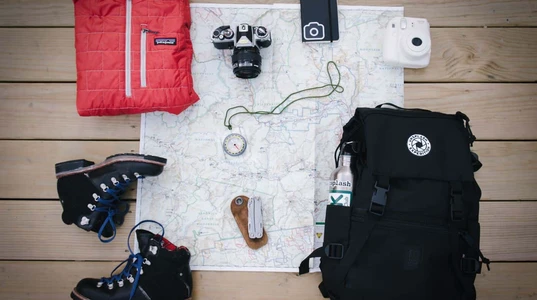
Hiking essentials laid out before taking to the trail.
8. Wear hike-appropriate clothing and gear
You might also want to invest in light, but sturdy clothing that will protect you from harsh weather, insect bites, and injury. Pack a wide-brimmed hat that covers your neck and face area, a jacket to keep you warm and dry, trousers that can shield your legs from the trail’s surface matter, and hiking boots or sandals with good grips.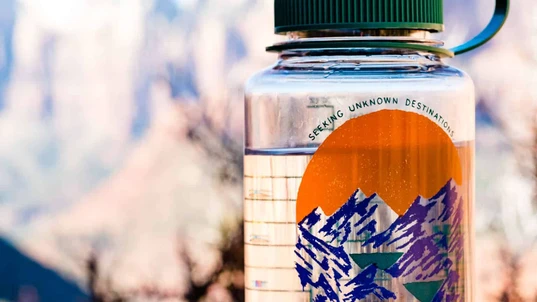
Stay hydrated while on the hiking trail.
9. Pack enough water and rations
Stay both hydrated and energised throughout the hike by packing light snacks, transportable meals, and ample water supplies with you; these will prevent you from getting exhausted or fainting on the trail. Good choices to take with you on your excursion are dried fruits and nuts, dried meat, sandwiches, power bars, granola, or hard-boiled eggs. Don’t forget as well to fill your water canteen to the brim.Conclusion
Now you have your safety checklist for the trail, you’re all set for your next hiking adventure. Remember the old adage from John Muir—“take nothing but pictures, leave nothing but footprints, kill nothing but time” —and have a smashing trip!
Originally published at
https://www.australiawidefirstaid.com.au/resources/the-9-golden-rules-of-safety-on-the-hiking-trail
as part of the Australia Wide First Aid Articles Library
Related Articles
Managing Risks Associated with Manual Handling Tasks
Almost every job involves using the body to carry out some type of manual task. Some tasks may be hazardous, causing injuries such as musculoskeletal disorders (MSDs). Knowing how to manage them is a legal responsibility of all workplaces.
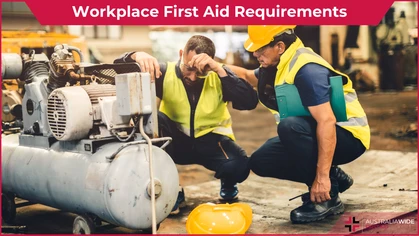
Workplace First Aid
In Australia, workplace safety is a top priority, and First Aid plays a crucial role in ensuring the well-being of employees. Workplaces are expected to adhere to specific regulations and guidelines outlined by Safe Work Australia. How does your workplace stack up?
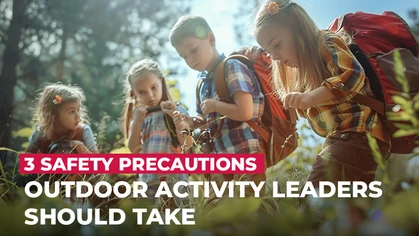
Outdoor Activity Safety Precautions
No matter how experienced you are as an outdoor activity leader, there are some things you should always do to keep your group safe. Nature can be unpredictable, and so it’s best to be prepared.

Common House Party Injuries
As you raise your glass to toast to good times, let's also raise awareness about safety, because partying responsibly is about more than just having a great time – it's about ensuring that everyone goes home unscathed.
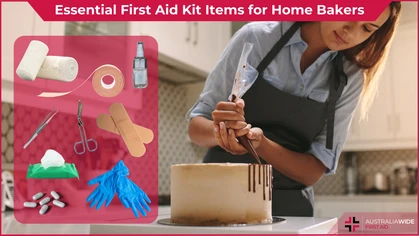
First Aid Kit Items for Home Bakers
A well-prepared first aid kit is an essential tool for any home baker. Accidents can happen at any time, and having the necessary supplies on hand can make a significant difference in the outcome of minor injuries.
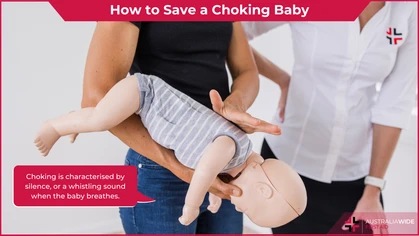
How to Save a Choking Baby
Choking is a frightening situation that demands immediate action. Babies are particularly vulnerable to choking hazards. In such a critical moment, knowing how to react can be the difference between a minor scare and a life-threatening emergency.

Towel Mistake Could Cause Drowning
With the weather warming up, many people are heading back to the water. There is, however, one common thing that many people do which is putting your child’s life in danger.

5 Dangerous Chemicals in Your House
Within your own home, there is a surprising amount of dangerous chemicals that can cause severe damage to your health if you lack the knowledge of identifying and treating them. This article will provide an understanding of common household acids, their symptoms when they come into contact with the skin, appropriate first aid treatment, and when to seek medical assistance.
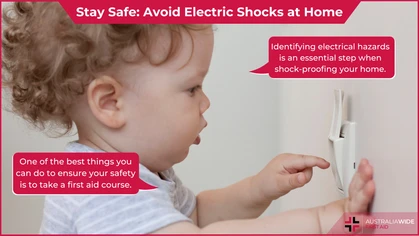
Stay Safe: Avoid Electric Shocks at Home
Electric shocks can be dangerous and even deadly. Knowing how to identify electrical hazards, understanding home electrical safety tips, preparing for electrical emergencies, and taking a first aid course to help deal with electric shock injuries can help you shock-proof your home.
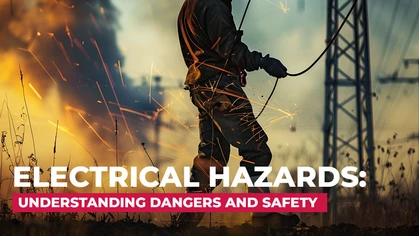
Electrical Hazards
Electricity is a vital energy source used in various industrial and domestic settings. Understanding and awareness of the potential dangers of electricity in the workplace is crucial. Electrical hazards pose a significant risk to workers' safety, including the risk of electric shock, electrical burns, and arc flash.