Postpartum Depression In The Non-Birthing Parent

Mental Health
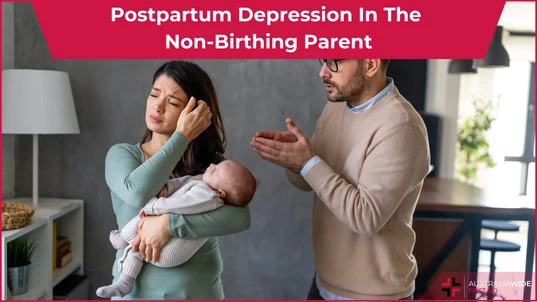 New parents, both birthing and non-birthing, can develop postpartum depression.
Birthing parents are easily recognized as being at risk for postpartum depression; however, it is important to acknowledge that non-birthing parents are equally susceptible to experiencing postpartum depression.
Up to 1 in 10 non-birthing parents experience postnatal depression.
New parents, both birthing and non-birthing, can develop postpartum depression.
Birthing parents are easily recognized as being at risk for postpartum depression; however, it is important to acknowledge that non-birthing parents are equally susceptible to experiencing postpartum depression.
Up to 1 in 10 non-birthing parents experience postnatal depression.
What Is Postpartum Depression?
Postpartum depression (PPD) is a condition that includes strong feelings of sadness, anxiety, or tiredness that last for a long time after giving birth. It is a specific type of depression that is incredibly prevalent in both birthing and non-birthing parents. When these changes cause significant emotions of worry and melancholy that interfere with your everyday life, they are no longer considered "baby blues."
What is meant by "non-birthing parent"?
The term "Non-birthing parent" is used for a parent who is in an essential role of raising a child but does not physically give birth to a child. This is an inclusive terminology that does not leave many valid caregivers out of the conversation entirely.Symptoms Of PPD
Postpartum depression can be expressed in four categories: physical, emotional, behavioural, and cognitive. Physical symptoms can include:- Loss of appetite
- Fatigue and tiredness
- Weight loss or gain
- Difficulty falling asleep
- Anxiety
- Anger issues
- Feeling of guilt or shame
- Isolation
- Sadness
- Lack of interest
- Use of drugs
- Aggression
- Distancing from loved ones
- Lack of physical intimacy with your partner
- Trouble concentrating
- Uncontrolled thinking
- Trouble making decisions
- Suicidal thoughts
Diagnosing PPD
Unfortunately, many non-birthing parents may not receive treatment or assistance because they are not screened for postnatal depression. Though it can happen at any point in the first year of the baby's life, it usually appears one to three weeks after delivery. It appears more slowly in non-birthing parents and is most common between three and six months. Speaking with your physician or therapist may be crucial if you exhibit PPD symptoms. During screening, your doctor can rule out any other underlying medical disorders that might be the source of your symptoms.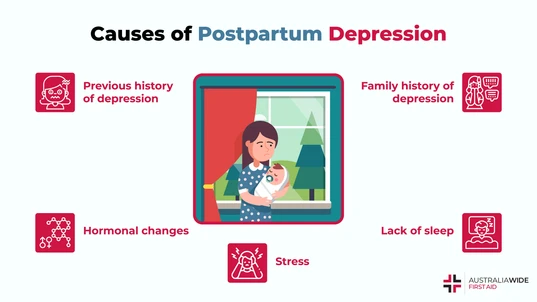
Causes of PPD
Psychologists and psychiatrists are still unsure of the causes or risk factors for PPD in non-birthing parents. However, they believe a few factors could have a significant impact on PPD in non-birthing parents, such as:- Additional responsibilities
- Financial pressure
- Relationship changes with your partner
- Lack of sleep
- Taking care of other children
Treating PPD
Your physician or therapist can collaborate with you to choose the best course of treatment if you are given a PPD diagnosis. It could take a few tries to figure out what works for you. Postpartum depression is treatable, and treatment plans often include a combination of:- Therapy
- Medication
- Support groups
- Support from loved ones
- Self-care and lifestyle changes
Ask For Help
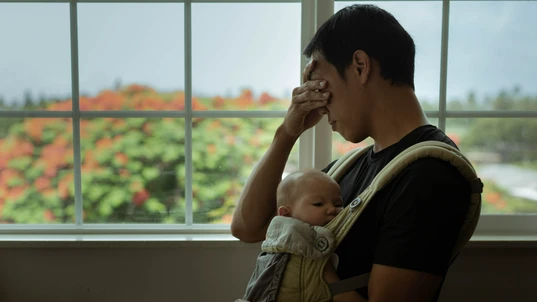
Do not deal with your anxiety or despair alone. Your family and friends can provide invaluable support so you can get some much-needed rest. This help could come in the form of communities or support groups for those experiencing circumstances similar to yours. It's crucial to understand that asking for assistance and seeking support when needed are acceptable behaviours. Nobody is expecting you and your spouse to handle everything on your own, particularly if you are both experiencing postpartum depression. Treatment for postpartum depression often consists of medication, therapy, support groups, family members, lifestyle modifications, and self-care. Your unique circumstances and requirements will determine the best course of action, and you'll need to test a few different approaches before figuring out which works best for you. Consult your counsellor or therapist, as they will assist you in choosing the best course of action and make sure you are taking the necessary actions to recover from postpartum depression.Conclusion
Parental mental health is essential, yet it is often overlooked by both birthing and non-birthing parents. Taking care of your mental health and well-being can benefit your family greatly since it lays a solid basis for good parenting. Children benefit from their parents' cognitive and emotional well-being. Your child deserves a parent who is present and concerned about their mental health.
Originally published at
https://www.australiawidefirstaid.com.au/resources/postpartum-depression-in-the-non-birthing-parent
as part of the Australia Wide First Aid Articles Library
Related Articles

Mango Madness - Seasonal Affective Disorders
Mental health can be influenced by every aspect of our lives, and the weather is no exception. In places closer to the equator with humid environments, like Darwin here in Australia, the onset of monsoon season can see people suffer from a tropical seasonal affective disorder known as ‘mango madness’.

Using the CARE Framework
Mental health crises can occur unexpectedly, and knowing how to respond effectively can make a significant difference. The CARE framework is an easy-to-remember guide for offering support during a mental health crisis. It is also applicable if you think you might be seeing signs and symptoms of low mental health in a loved one, friend, or colleague.
Risks of Incorrect Mental Health Crisis Intervention
In moments of mental health crises, offering support to those in distress is crucial. However, the way support is provided can impact the person's well-being and the outcome of the crisis. Incorrect support can exacerbate the situation, potentially leading to further distress and harm.
What is Mental Health First Aid
Mental health first aid involves providing initial support to someone experiencing a mental health crisis. Just as physical first aid is administered for physical health emergencies, the idea is to provide support in the moment, rather than attempt to ‘fix everything’.
Postpartum Depression in Fathers
Postpartum depression in men is a very real and everyday reality. Though rarely discussed, 1 out of 10 fathers-to-be experience this dark cloud over what is such a beautiful life event.
Bipolar Affective Disorder
Millions of people suffer from bipolar affective disorder around the world. A bipolar patient experiences episodes of extreme highs and lows, which can negatively affect their normal life and relationships. Understanding this mental health condition helps you minimize its impact on your daily life.

Secondary Trauma
Whether you've witnessed a shocking car accident, the distressing unfolding of a violent act, the heart-wrenching journey of caring for a sick loved one, or hearing horror stories, the deep impact of experiencing traumatic events is part of the complex fabric of human life.
Understanding Panic Disorders
Panic disorder is a common yet often misdiagnosed mental illness that can significantly affect your life. The hallmarks of panic disorders are abrupt, severe bouts of anxiety and terror.

Mental Health in Children
Fostering good mental health in your child is as important as helping them keep physically fit. Every child is different. You need to understand where normal behaviour ends and concerning symptoms start.
Ways to Improve Resilience
Many definitions of resilience exist, but one of our favourites is: Resilience is the power or ability to return to the original form, position, etc. after being bent, compressed, or stretched. Simply put, it is the ability to recover readily from illness, depression, adversity, or the like. HOW we are able to process events, manage our emotions and self-talk goes a long way to maintaining resilience.