Nature Play Week: Connecting Children with the Outdoors

First aid in the news
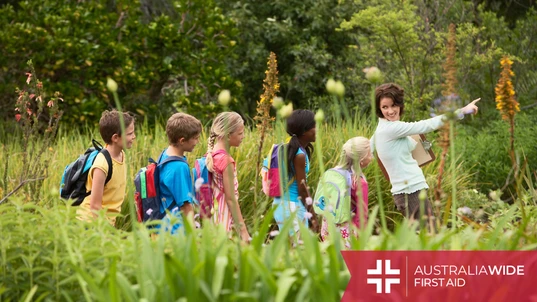
Nature Play Week is an annual initiative that encourages children to spend more time outside, reconnect with nature, and ultimately develop important skills like creativity and problem solving. Find out how you can get involved!
Nature Play Week is a nationwide initiative in Australia that encourages children and families to spend more time outdoors, connecting with nature. It is held annually, April 17-30th, and provides a range of nature-based activities and events in which children can participate. This year, Nature Play Week is even more important as we continue to navigate the ongoing pandemic, which has disrupted children's usual routines and made it even harder for them to spend time outdoors.Who organises Nature Play Week?
The Kids in Nature Network is responsible for running Nature Play Week. This network is made up of various organisations and individuals who are passionate about reconnecting children with nature. They work together to organise and promote events across the country during the two weeks of Nature Play Week.What is its purpose?
The primary purpose of Nature Play Week is to promote the importance of outdoor play and its benefits for children's health and wellbeing. Children are spending less time outside than ever before, and this has led to concerns about the impact on their physical, mental, and emotional development. By encouraging children to spend more time outdoors and engaging in nature-based activities, they are able to develop important skills, such as problem-solving and creativity, and develop a greater appreciation for the natural world. Traveling is a fantastic way to encourage more time outdoors, and promotes a vast range of positive developmental impacts on childhood development.How can I get involved?
There are many ways to get involved in Nature Play Week. Parents, caregivers, and educators can organise their own nature-based activities and events, such as nature walks, scavenger hunts, or building a den. These activities can be as simple or elaborate as you like, and the aim is to encourage children to spend time outside, exploring and having fun. You can also attend one of the many events and activities that are organised by the Kids in Nature Network and other organisations. These events can range from guided nature walks to outdoor craft activities and are suitable for children of all ages. Getting involved in Nature Play Week is a great way to inspire children to connect with nature and appreciate the outdoors. Parents and caregivers can use this opportunity to teach their children about the natural world and the importance of environmental conservation. Nature Play Week can also be a great way for families to spend quality time together and create lasting memories.Final thoughts
Nature Play Week is a fantastic initiative that encourages children to spend more time outside and reconnect with nature. It is organised by the Kids in Nature Network and runs annually from the 17th to the 30th of April. The aim is to promote the benefits of outdoor play and encourage children to engage in nature-based activities. By participating in Nature Play Week, children can develop important skills, foster creativity and problem-solving abilities, and develop a deeper appreciation for the natural world. Here at Australia Wide First Aid, we’re dedicated to helping you protect your child’s safety and wellbeing. You can attend a general or childcare first aid course, to proactively safeguard your child’s wellbeing and know how to respond in a crisis. We have locations across most places in Australia.
Originally published at
https://www.australiawidefirstaid.com.au/resources/nature-play-week
as part of the Australia Wide First Aid Articles Library
Related Articles
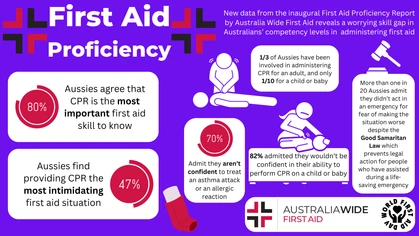
Nearly Half of Aussies Don't Know CPR
New data reveals nearly half of Aussies lack the CPR knowledge to save a life. In fact, new data from Australia Wide First Aid’s inaugural, First Aid Proficiency Report, reveals only a third of Aussies have ever assisted in providing CPR.

Can You Be Sued for Providing First Aid?
The idea of helping someone in an emergency situation often raises concerns about potential legal repercussions. While the desire to assist is strong, many Australians wonder if they could be sued for rendering first aid. This article explores the legal landscape in Australia regarding the liability of individuals who provide first aid assistance.
Mpox: A Comprehensive Overview
Monkeypox is a rare viral disease that has garnered significant attention due to its similarities with smallpox. Although less severe, monkeypox is a public health concern, particularly in regions where it is endemic.

The ‘Most Kissed Face’ in the World
Ever wondered about the face used on the CPR manikins? Most people don't, until they discover the macabre backstory.

Siri Can’t Give You CPR Instructions
The use of AI is growing ever more expansive. These assistants, however, don’t seem to be useful in a crisis.

Back Blows Save Baby’s Life
Recently we saw news of a Michigan police officer saving a baby’s life during a traffic stop. In the dramatic and disturbing footage, the officer delivered back blows to stop the child choking. Had he not acted quickly, the outcome could have been a tragedy.

Tetanus in Australia: Causes, Symptoms and Prevention
Australia has experienced a recent spike in tetanus, a bacterial infection caused by the bacterium Clostridium tetani. This bacterium can enter the body through open wounds and cause muscle stiffness, muscle spasms, and, in severe cases, death.
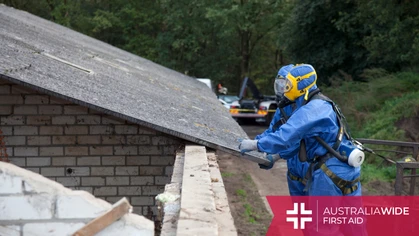
Exposed: The Lingering Threat of Asbestos in Australia
Asbestos is a group of naturally occurring minerals that were once widely used in Australia's construction industry. Though it has since been banned due to its highly toxic impact on human health, asbestos remains a lingering issue in Australia.

Coeliac Awareness Week
Coeliac Awareness Week aims to raise awareness about Coeliac disease, a chronic condition that makes the immune system react abnormally to gluten. Continue reading for more information on how you can get involved!

Endometriosis Awareness Month
Endometriosis Awareness Month was started in 1993 to spread awareness about endometriosis, an inflammatory condition in which endometrial tissue grows outside the uterus. Find out how you can get involved!