Adelaide Mosquitoes and the Viruses They Transmit

Bites and Stings
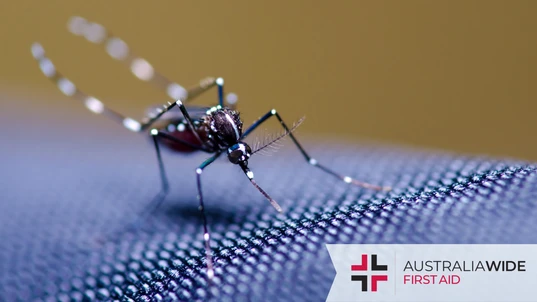
In Adelaide and South Australia, the rain and heat have created the perfect breeding conditions for mosquitoes, leading to an explosion in mosquito borne diseases across the state. In this article, we discuss how to identify, treat, and avoid the most common mosquito borne diseases in Adelaide and South Australia.
Have you noticed that there have been more mosquitoes in Adelaide and South Australia this year? You’re not alone - the rain and heat have created the perfect breeding conditions for mosquitoes, leading to a population explosion across the state. SA Health are warning South Australians to avoid bites, as monitoring traps have detected more than five times the usual amount of mosquitoes carrying Ross River Virus and Barmah Forest Virus. To help you better understand the risks, we’ve described in this article some of the mosquito borne viruses that can be transmitted. You can also attend our general and childcare first aid courses in Adelaide for more information on identifying and treating mosquito bites.Ross River Virus
One of the most common diseases spread by mosquitoes in South Australia is Ross River Virus (RRV). Symptoms vary from person to person, but they may include:- fever
- chills
- muscle aches
- rash
- fatigue
- aching tendons
- swollen lymph nodes
- headache, especially behind the eyes
- joint pain, swelling and stiffness
Barmah Forest Virus
Barmah Forest Virus (BFV) is another common mosquito borne disease. Many people who become infected with BFV don’t have any symptoms. Symptoms that can develop include:- rash, usually on the trunk or limbs
- joint pain, which may persist for more than 6 months
- tiredness and weakness
- joint swelling and stiffness
- flu-like symptoms, with fever, chills and headache
- muscle aches and pain
- swollen lymph glands
Murray Valley Encephalitis
Murray Valley Encephalitis (MVE) is a rare mosquito borne virus that is endemic in Northern Australia. However, there have been cases reported in South Australia. MVE can have mild to severe symptoms. The most common symptoms are:- fever
- drowsiness (excessive sleepiness)
- confusion
- headache
- neck stiffness
- nausea and vomiting
- tremors
- seizures (fits)
- additionally in infants, irritability and floppiness
- headache
- nausea
- vomiting
- increasing confusion
- headaches
- drowsiness
- possible seizures indicating progression to meningitis (inflammation of the lining of the brain and spinal cord) or encephalitis (infection or inflammation of the brain)
Japanese Encephalitis
Japanese Encephalitis Virus (JEV) is a rare but serious mosquito borne virus that has only been known to be present in South Australia since February 2022. There are typically no symptoms for JEV, though there may be minor symptoms like fever and headaches. Some people can develop encephalitis, which is the inflammation of the brain. Symptoms of this include:- tiredness
- fever and headache
- nausea
- vomiting or diarrhoea
- confusion
- unusual behaviour
- sleepiness
- seizures
- weakness
- abnormal movements
West Nile Virus
West Nile Virus (WNV) is now also known as Kunjin, as Kunjin is considered to be a variant of WNV. Most people with Kunjin/WNV have no or mild symptoms. However, symptoms can include:- fever
- malaise (feeling of being unwell)
- headache
- muscle aches
- swollen lymph nodes
- fatigue
- rash
- swollen and aching joints
Prevention
South Australia’s Chief Public Health Officer Nicola Spurrier, says that the best protection from these mosquito borne diseases is prevention. Mosquitoes are most active at dawn and dusk, so if you can, avoid being outdoors during these times. If you must be outside, wear long sleeved and light coloured clothing, and use insect repellent every time you go outside. The best mosquito repellents contain DEET, picaridin, or oil of lemon eucalyptus. You can find more information for preventing mosquito bites in our Resource Library.Final Thoughts
While mosquitoes in Adelaide will most commonly transmit Ross River Virus and Barmah Forest Virus, they have been known to transmit rarer and more severe diseases in South Australia. The best way to protect yourself against these diseases is to protect yourself from mosquito bites. We also cover treatment of mosquito bites in our general and childcare first aid courses. We have training locations in Adelaide and in every other state, capital city, and major town throughout Australia. Head to our website to enrol in a course near you today.
Originally published at
https://www.australiawidefirstaid.com.au/resources/mosquitoes-adelaide
as part of the Australia Wide First Aid Articles Library
Related Articles

The Common Spiders of Darwin
Darwin, the tropical capital of Australia’s Northern Territory, is home to a rich diversity of wildlife - including an impressive array of spiders. From the sprawling webs of golden orb-weavers to the cryptic camouflage of trapdoor spiders, these arachnids play a vital role in the local ecosystem. While some may inspire fear, the majority are harmless and even beneficial, helping to control insect populations.
First Aid for a Cat Bite
Cat bites, while often underestimated, can lead to serious health complications if not treated promptly and properly. Cats' mouths harbour a variety of bacteria that can cause infections in humans.
First Aid for Drop Bear Attacks
Encounters with wildlife can often be thrilling, but when it comes to the creature known as the drop bear, the experience can quickly turn dangerous. A sharp increase in recent attacks prompts the need for understanding proper first aid procedures in case of an attack.
First Aid for Funnel Web Spider Bites
Encountering a funnel web spider can be a frightening experience, and if a bite occurs, it is crucial to act swiftly and effectively to minimize the potential risks associated with their venom.

How to Treat Cat Scratches
Cats are beloved pets for millions of people worldwide, but sometimes even the most gentle feline can become agitated or scared, leading to scratches. While cat scratches are usually not serious, they can still be painful and carry the risk of infection.
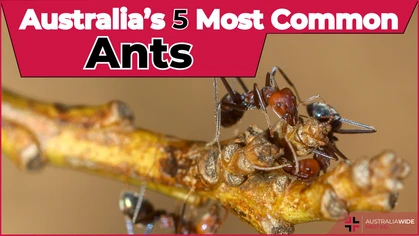
5 Most Common Ants in Australia
Australia is home to a remarkably diverse array of ant species, showcasing a fascinating range of characteristics and behaviours. By understanding the identification, range, and behaviours of these ants, individuals can navigate their surroundings with greater awareness and appreciation.
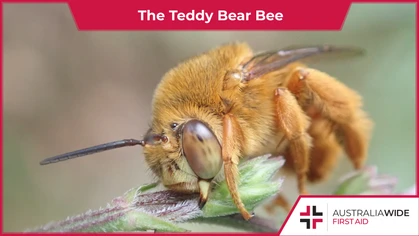
5 Most Common Bees in Australia
Recognizing the significance of bees' positive impact, it becomes imperative to acquaint ourselves with the various species, distinguishing characteristics, geographical distributions, stinging tendencies, and suitable first aid measures for bee stings.
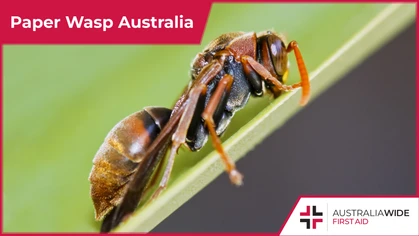
5 Common Wasps in Australia
Australia is home to a diverse range of insect species, including several types of wasps. While some wasps are beneficial as predators of other pests, others can pose a threat due to their stinging capabilities.
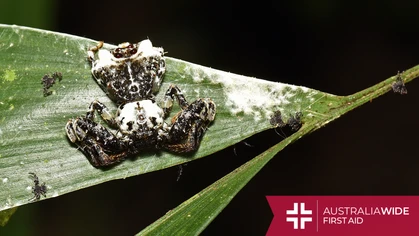
The Bird Dropping Spider: A Master of Mimicry
As their name suggests, the Bird Dropping Spider has developed colorations and patterns that mimic bird poo. This ingenious disguise means they can thrive in a wide variety of habitats, including suburban gardens.
The Slaty Grey Snake | Snake Facts
One of the most common snake species in Darwin and Australia's Top End region, the Slaty grey snake is a medium-sized species with shiny scales. They have been known to defend themselves aggressively when disturbed.