How to Make Your Home Safer for Children

Danger
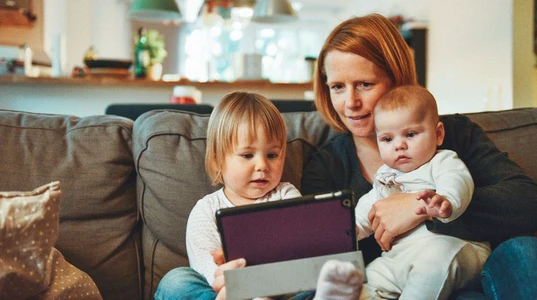
Do you have an infant or small child in your home that you have to take care of
When an infant or small child is involved, it’s important to make your home safe for them. This is especially so for new parents and parents who move to a new home or apartment that might be great living spaces for adults, but not for small children. Infants and toddlers can be surprisingly accident prone inside an otherwise safe home environment. Such accidents have become so common and have such serious ramifications, that child safety organisations have labelled them a major public health threat. To illustrate this, here are some sobering statistics from Kid Safe, the Child Accident Prevention Foundation of Australia:- Children under 4 years of age are most vulnerable to being injured in the home or backyard, with more than 80% of unintentional injuries leading to hospitalisation or death.
- Some of the biggest causes of child deaths include drowning in swimming pools, having an unsafe sleeping environment, suffocation due to strangulation by curtains and loose cords, choking from small objects, and crush injuries from fallen heavy objects.
- More children die from injury in Australia than from serious disease, such as cancer.
- Living spaces and structures built for adult use and comfort can present hazards to children.
While children are indeed highly vulnerable to accidents inside the home, the vast majority of these accidents can be prevented. This can be done by making the home as child-safe as possible, for example, removing or repositioning potential hazards that would threaten the safety of your child. Read on for some childproofing tips you can act upon immediately to help make your home a safer place for babies and small children.
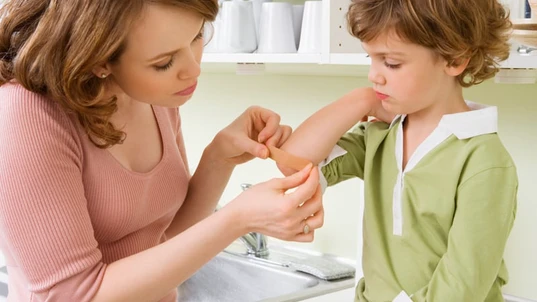
Caring for children is the focus of our child care first aid course
Become a certified child care first aid practitioner
Even if you’re already knowledgeable in CPR and first aid, extra training will grant you some added child and infant-specific skills. The physiology and anatomy of babies and toddlers are quite different from adults. Their bodies are less developed and more delicate than those of teenagers or adults. As such, first aid procedures that are administered on adults may cause physical harm if performed on infants and children. If you’re a new parent or guardian, or if your occupation places you in a position of caring for small children, then the Child Care first aid course is what's needed.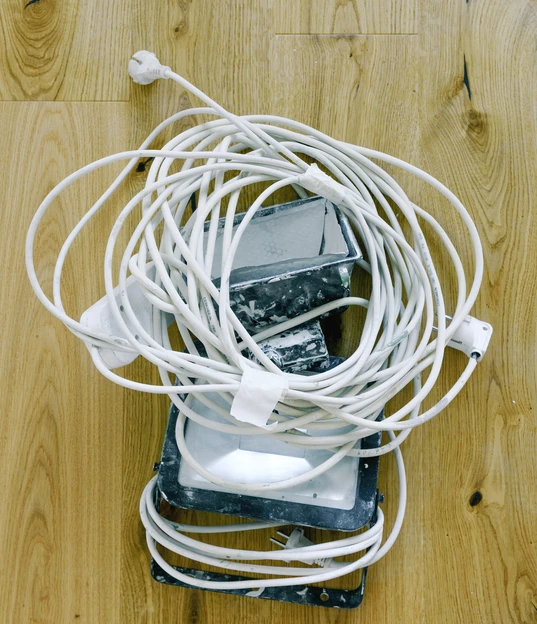
Keep electrical cables out of harm's way
Loose cords or wires are known to tangle around children’s necks. Cords for curtains and blinds are notorious for strangling children and should be kept well away from your child’s crib or bed. To prevent accidents in your home, make sure all the cords in your house – even in unlikely places for your child to reach – are truly out of reach. You can do this by taping or bracketing them to walls or skirtings, removing them outright, or rolling up and tying cords in lengths that present no danger. Cords for blinds should be tied up, or a cordless window covering could replace the blinds.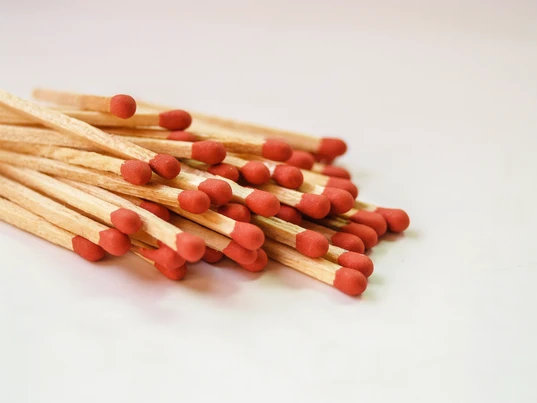
Don't be fooled by the marketing term 'safety matches'
Secure candles, matches, and other flammables
Despite their underdeveloped fine motor skills, small children seem to find ways to light matches or start accidental fires. Makes sure lighters, matches, candles, and gas stovetops are not within children's reach. Infants and toddlers may also chew on candles and choke on the wax, so don’t leave them lying around.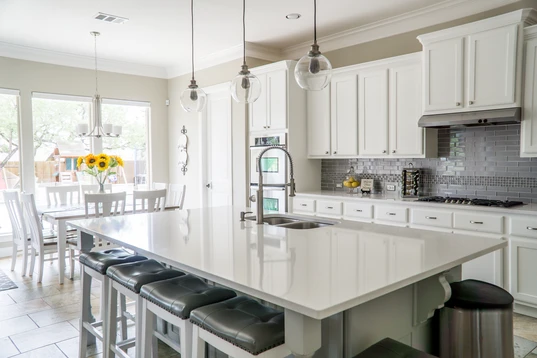
Make a gated kitchen
Kitchens are dangerous territory for small children. Install a child-proof gate across the entryway. Do this so small children don't have unsupervised access to potential hazards that include electricity, gas, heat, sharp edges in steel or glass, cleaning chemicals, heavy items on high shelves, etc. As for infants, it’s best not to invite risk by carrying them while you're cooking or cleaning. If you must have a child in the kitchen, don't take your eyes off them.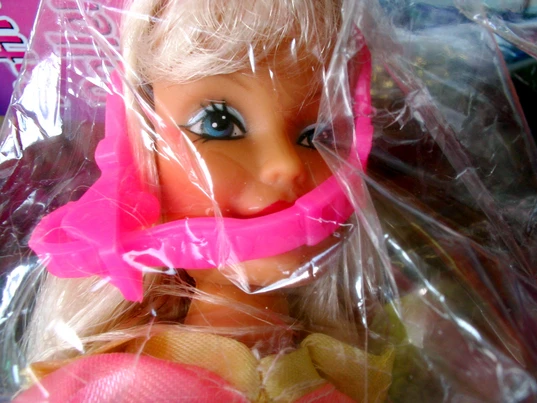
Packaging is most certainly not a plaything
Not All Toys are Childplay
Only buy toys that are well-made and designed for your child’s age. Playthings with sharp edges, projectiles, or small parts can present cutting, blinding, or choking risks for children. Some toys may be covered with toxic paint or substances that present a poisoning risk, especially when an infant is teething. When buying a toy for your child, always check the safety information on the package before purchasing. If in doubt, check with the shopkeeper first, or read reviews of the product online. Be careful with stuffed or plush toys. Soft as they are, the risk to your child could be suffocating on the toy.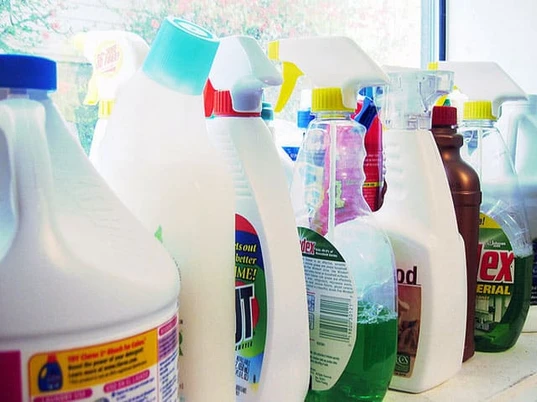
If you believe your child has ingested something it shouldn’t have, call your local poisons control centre or emergency services, immediately
Keep Poisons Away from Children
Toddlers and small children are unable to tell the difference between something poisonous and something edible, like candy. You need to keep any and all potential poisons out of their reach. This includes prescription and over-the-counter medicines, vitamins, cleaning supplies, insecticides, rat poisons… the list goes on. Crayons should also be properly stored away when not in use. Perhaps because of their bright colours, crayons often end up in the mouths of babes. If you believe your child has ingested something it shouldn’t have, call your local poisons control centre or emergency services, immediately.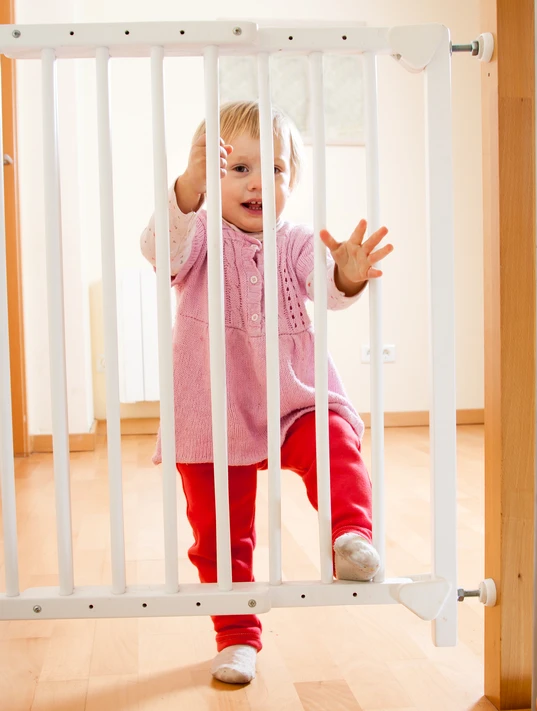
Childproof gates are effective in creating exclusion zones in the home
Childproof Your Furniture, Stairs, and Electric Outlets
If your child is old enough to start crawling or walking around the house, make their surroundings safe for them to navigate. Tables, desks, and other furniture pieces with hard corners or edges close to the floor should be fitted with rubber buffers to cushion accidental impact. Plastic or rubber inserts should be inserted in electrical outlets when not in use to cover them and prevent accidental electrocution. Childproof gates should be used for stairwells to restrict access.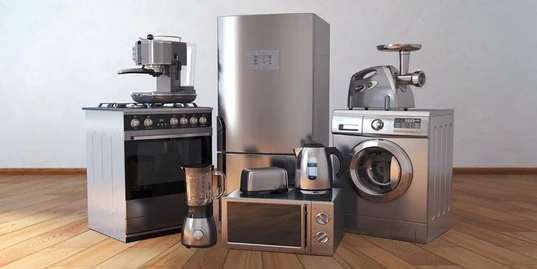
Heavy items can be secured so they don't topple onto a child
Secure Heavy Furniture and Appliances
Injuries caused by falling objects or being crushed by them are major causes of infant and toddler death in Australia. Appliances and furniture that could topple over need to be firmly secured for stability and safety. This includes bookshelves, microwave ovens, refrigerators, TVs, computer monitors, and more. Heavy books or objects displayed on high shelves should either be placed somewhere lower or else secured by reliable means.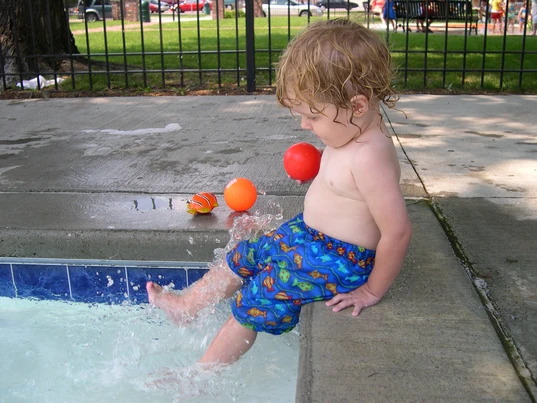
Leaving a child unattended near water can be catastrophic
Never Leave a Child Unattended Near Water
It takes only a few centimetres of water and even fewer minutes for an infant or toddler to drown. Don't leave them unattended for any amount of time around any source of water. If your home has a swimming pool or a nearby body of water, make sure any access to it is blocked to toddlers and children – yours or anyone else's. Other potential causes of drowning also need to be addressed, including fish ponds and tanks, tubs, buckets, and toilets.
Safe Homes Save Lives
Never underestimate the potential for danger to an infant or toddler from seemingly harmless elements in your home. A child’s curiosity can easily lead to a large flat-screen TV toppling off its perch on a narrow entertainment centre. The quickening pitter-patter of little feet can come to an abrupt stop at the hard edge of a dining table. Take action with the childproofing tips listed above and you'll greatly minimise the risks of injury to a child in your home. The best tip of all is to never leave your child unattended. Their safe place is in the company of a close carer.
Originally published at
https://www.australiawidefirstaid.com.au/resources/how-to-make-your-home-safer-for-children
as part of the Australia Wide First Aid Articles Library
Related Articles
Managing Risks Associated with Manual Handling Tasks
Almost every job involves using the body to carry out some type of manual task. Some tasks may be hazardous, causing injuries such as musculoskeletal disorders (MSDs). Knowing how to manage them is a legal responsibility of all workplaces.
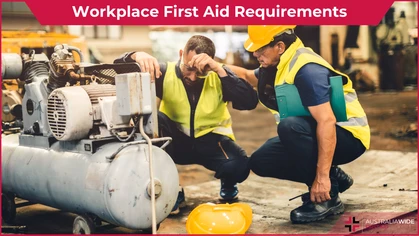
Workplace First Aid
In Australia, workplace safety is a top priority, and First Aid plays a crucial role in ensuring the well-being of employees. Workplaces are expected to adhere to specific regulations and guidelines outlined by Safe Work Australia. How does your workplace stack up?
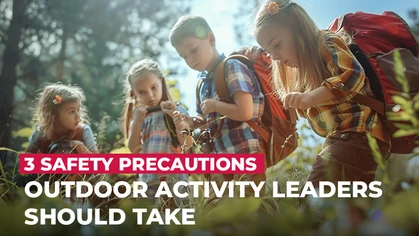
Outdoor Activity Safety Precautions
No matter how experienced you are as an outdoor activity leader, there are some things you should always do to keep your group safe. Nature can be unpredictable, and so it’s best to be prepared.
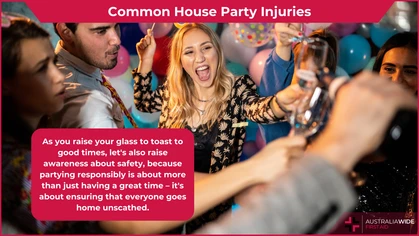
Common House Party Injuries
As you raise your glass to toast to good times, let's also raise awareness about safety, because partying responsibly is about more than just having a great time – it's about ensuring that everyone goes home unscathed.
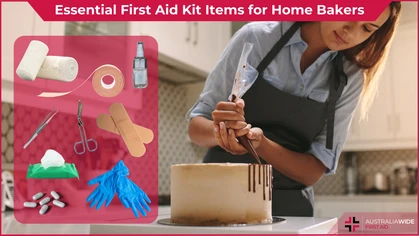
First Aid Kit Items for Home Bakers
A well-prepared first aid kit is an essential tool for any home baker. Accidents can happen at any time, and having the necessary supplies on hand can make a significant difference in the outcome of minor injuries.
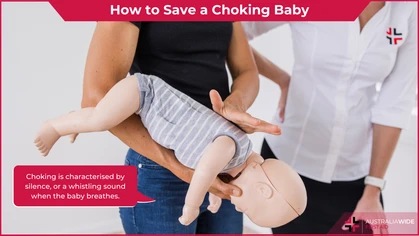
How to Save a Choking Baby
Choking is a frightening situation that demands immediate action. Babies are particularly vulnerable to choking hazards. In such a critical moment, knowing how to react can be the difference between a minor scare and a life-threatening emergency.
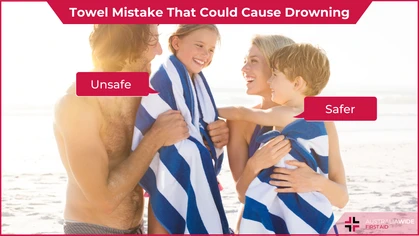
Towel Mistake Could Cause Drowning
With the weather warming up, many people are heading back to the water. There is, however, one common thing that many people do which is putting your child’s life in danger.
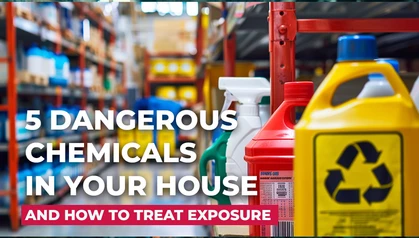
5 Dangerous Chemicals in Your House
Within your own home, there is a surprising amount of dangerous chemicals that can cause severe damage to your health if you lack the knowledge of identifying and treating them. This article will provide an understanding of common household acids, their symptoms when they come into contact with the skin, appropriate first aid treatment, and when to seek medical assistance.
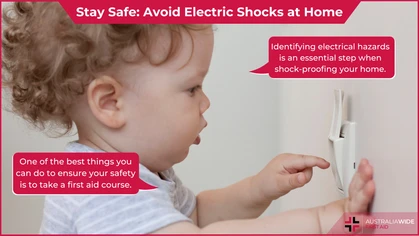
Stay Safe: Avoid Electric Shocks at Home
Electric shocks can be dangerous and even deadly. Knowing how to identify electrical hazards, understanding home electrical safety tips, preparing for electrical emergencies, and taking a first aid course to help deal with electric shock injuries can help you shock-proof your home.
Electrical Hazards
Electricity is a vital energy source used in various industrial and domestic settings. Understanding and awareness of the potential dangers of electricity in the workplace is crucial. Electrical hazards pose a significant risk to workers' safety, including the risk of electric shock, electrical burns, and arc flash.