Head Injuries

Injury
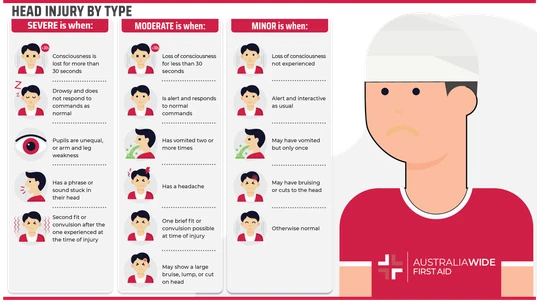
Head injuries can be Severe, Moderate, or Minor – the category varies according to signs and symptoms.
Head injuries can be assigned one of 3 basic categories — Severe, Moderate, and Minor — according to the signs and symptoms. The following information is a guide only. As advised in the section under The first 48 hours… below, please seek emergency medical attention appropriately.Severe head injury
- Consciousness is lost for more than 30 seconds
- Drowsiness and not responding to commands as normal
- Pupils are unequal, arm and leg weakness
- A phrase or sound is stuck in the head
- A second fit or convulsion, follows the first experienced at the time of the injury.
Moderate head injury
- Has lost consciousness for less than 30 seconds
- Is alert and responds to normal commands
- Has vomited two or more times
- Has a headache
- One brief fit may have occurred straight after initial injury
- May have large bruise, lump or cut on head
Minor head injury
- No loss of consciousness
- Alert and interactive as usual
- May have vomited but only once
- May have bruising or cuts to the head
- Otherwise normal
The first 48 hours…
A head injury should be reported to a doctor or emergency department if any of the following symptoms occur during the first 48 hours:- Persistent vomiting
- Excessive drowsiness
- Worsening headache
- Severe dizziness
- Unsteady when walking
- Increasing confusion, restlessness and agitation
- Slurred speech
- Convulsion or seizures
Head Injury Bruising
Bruising and swelling can come from even minor bangs to the head. This is due to the scalp having good blood supply and there being little in the way of padding between skin and skull to absorb the knock. The swelling can be managed to some extent by the application of ice to the injury site. If ice is not available, a packet of frozen peas will do the job. Wrap in a damp cloth — do not place frozen items directly on the skin. The swelling should go down quite quickly, leaving the discoloured bruise and some tenderness. If the swelling remains undiminished, seek medical advice.Head Injury Cuts
Blood supply to the scalp is good, so cuts to the scalp will bleed a lot. Place a clean dressing over the cut and apply pressure to it for 5 to 10 minutes. After 10 minutes, if the bleeding hasn’t stopped, seeking medical advice is recommended. It can be expected that a cut more than 1cm in length will recover more readily when treated by a medical professional.Head Injury Follow-up
Problems not detected at first after a minor head injury, can emerge later. Be alert to the possibility of these symptoms emerging in the following weeks:- Irritability
- Mood Swings
- Tiredness
- Concentration problems
- Behavioural changes
Disclaimer: This article is for the purposes of general education only. In the case of head trauma, please consult a medical professional or your closest emergency department. Call 000 immediately for assistance or if you are unsure how to proceed safely.
Originally published at
https://www.australiawidefirstaid.com.au/resources/head-injuries
as part of the Australia Wide First Aid Articles Library
Related Articles
First Aid for Falls
Falls are one of the most common causes of injury, particularly among children and older adults. Whether it’s a simple trip or a serious fall from height, knowing how to administer first aid can prevent further injury and, in some cases, save a life.
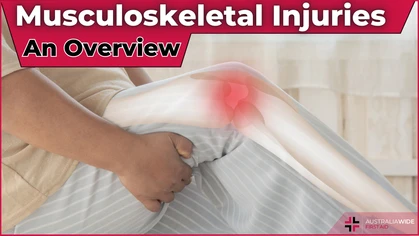
Musculoskeletal Injuries – An Overview
The musculoskeletal system is the foundation of human movement, support, and protection, playing a critical role in our ability to perform everyday tasks. Understanding the components and functions of the musculoskeletal system is essential for preventing injuries and managing conditions that may arise, particularly in workplaces where manual handling tasks are common.
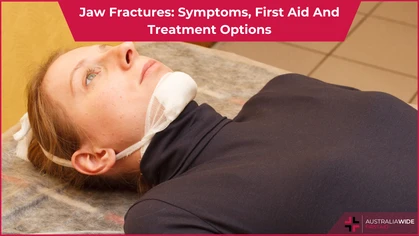
Jaw Fractures
A jaw fracture is a break or crack in the jawbone. This type of injury can occur due to various reasons and may result in considerable pain and difficulty in performing everyday activities like eating and speaking.
Common Online Gaming Injuries
Online gaming is a fun and a potentially stress-relieving activity, but frequent gaming causes accidents and injuries.
Common Netball Injuries
Netball is a fast-paced and physically demanding sport that requires agility, speed, and teamwork. However, like any other sport, it comes with the risk of injuries. Understanding these common injuries, along with prevention and treatment options, is crucial for players to stay healthy and continue enjoying the game.
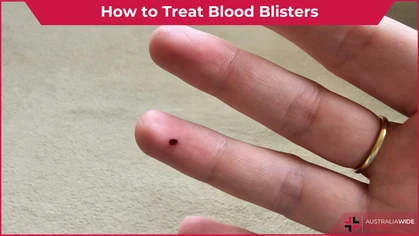
How to Treat Blood Blisters
Blood blisters can be a painful and unexpected inconvenience. Whether caused by friction, pinching, or injury, these fluid-filled sacs beneath the skin's surface can disrupt daily activities and cause discomfort. Fortunately, with proper first aid techniques, you can effectively treat blood blisters and facilitate their healing process.
First Aid for Bird Scratches and Bites
Whether you're a bird owner, wildlife enthusiast, or simply someone who enjoys spending time outdoors, knowing how to administer first aid for bird-related injuries is essential.
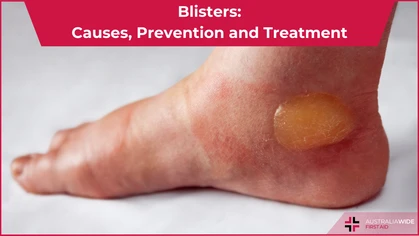
Blisters: Causes, Prevention and Treatment
Blisters, though often small in size, can cause significant discomfort and inconvenience. Understanding the symptoms, causes, and treatment options for blisters is crucial for effective management and prevention.
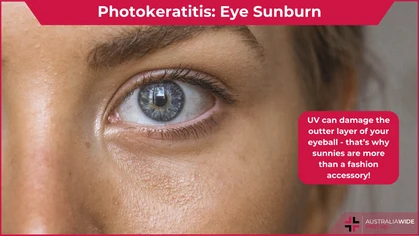
Eye Sunburn
The sun can affect more than just your skin. High levels of UV rays can also damage the cornea or the outermost layer of the eye. This can sometimes lead to photokeratitis. Also known as eye sunburn, this painful eye condition occurs when the eyes become overexposed to UV rays.
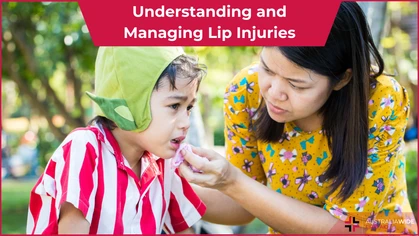
Managing Lip Injuries
Lip injuries, while frequently considered minor in the broader context of bodily harm, are often surprisingly painful, inconvenient, and occasionally intricate to manage.