First Aid For Coronavirus

Virus
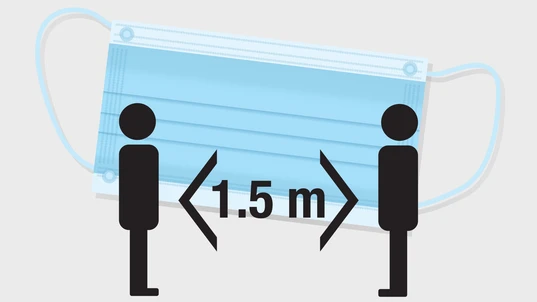
First aid can be provided safely while observing some of the recommendations of our health authorities.
First aid, Coronavirus (COVID-19) and Social Distancing
Social distancing plays an important role in limiting the spread of the COVID-19 virus. Almost daily we are confronted, like never before, by issues of "personal space" and how we interact with each other on a physical level. As certificate holders in first aid and CPR, we find ourselves asking questions like:What should I do if I encounter someone suffering acute respiratory failure who may be infected with the Coronavirus?It's reasonable to be concerned and discussion around this topic is hugely relevant right now. As a nationally recognised first aid training organisation, Australia Wide First Aid doesn’t have all the answers, however, we can offer the following words of support to those feeling overwhelmed right now.
Minimise the risk of danger
First, when assessing a casualty, we should always prepare as if they were infectious — not just because of COVID-19. Before we are able to help someone else, our initial priority as first responders, is to always be minimising the risk of danger to ourselves. This golden rule never changes… regardless of Coronavirus. After all, our usefulness to the casualty depends on keeping ourselves safe and healthy. Emergency scenarios and potential hazards have been all but inseparable... long before this pandemic. Those who come to the aid of others know this to be part and parcel of what it means to be a first responder. In the case of a casualty who may be contagious with an infectious disease, we simply need to continue implementing the safeguards we have been trained to use whenever we render first aid, especially CPR.Take precautionary measures
Our health experts have recommended precautionary measures when interacting socially. We also need to apply them when coming to the aid of someone in medical distress. Adjustment logically follows when contamination risks are increased. In addition to cross-infection precautionary measures, such as using examination gloves and CPR masks, we can also make a reasonable adjustment to how we administer cardiopulmonary resuscitation. Instead of a combination of breaths and compressions, CPR can consist of providing compressions only. If you are within the 1.5 metres, set by our social distance rules — which you would be when attending to a casualty — what additional measures do you take to prevent the exchange of body fluids and cross infection from the casualty to ourselves? Or conversely, from ourselves to the casualty? Washing your hands thoroughly is a must. The biggest risk after coming into contact virally contagious person is to then touch your face with your hands.Importance of <a href="https://www.australiawidefirstaid.com.au/courses">First Aid training</a>
The need for people being ready and prepared to administer first aid has never been greater. At Australia Wide First Aid, we're well aware of the anxiety surrounding the COVID pandemic but at the same time concerned that someone who is in great need could be denied help because of fears about contracting the virus. First aiders should pay no heed to the fear. We should reassure and remind ourselves of the reality, which is that our willingness to help others has never been more vital than it is right now during this pandemic. With the correct safeguards and reasonable adjustments in place, first aid should continue to be provided to those in need with minimal risk and maximum benefit to the community. We take this opportunity to thank our amazing network of Australia Wide First Aid health professionals and educators, for continuing their work in delivering life saving knowledge and techniques to others during this most challenging time. Article by Garry Draper - Founder & Director, Australia Wide First Aid
Originally published at
https://www.australiawidefirstaid.com.au/resources/first-aid-for-coronavirus
as part of the Australia Wide First Aid Articles Library
Related Articles
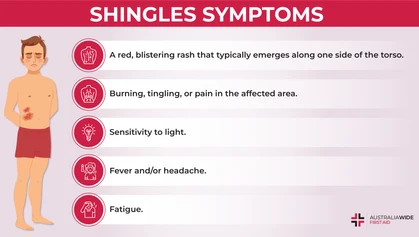
Shingles | Virus Fact Sheet
Shingles is a viral infection that can occur in anyone who has had chickenpox. It's most distinct symptom is a painful, blistering rash that occurs on one side of the body. Without prompt treatment, shingles can have life-threatening complications.
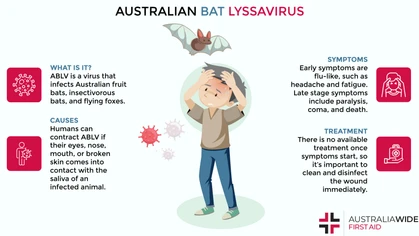
All About the Australian Bat Lyssavirus (ABLV)
The Australian Bat Lyssavirus (ABLV) forms part of the same family as the rabies virus. ABLV infects all four species of fruit bats and flying foxes in Australia. In humans, ABLV can cause respiratory difficulties, coma and, in most cases, death.
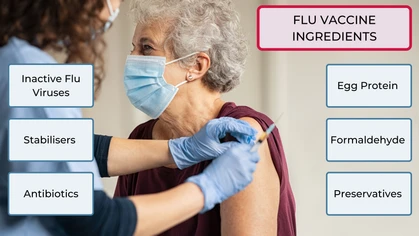
What is in the Flu Vaccine - Ingredients
Flu viruses can change their surface structure from one year to the next. As such, new flu vaccines are developed each year. Flu vaccines comprise numerous ingredients that aid their development, purity, and efficacy.
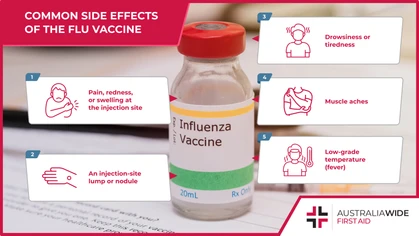
Flu Vaccination Side Effects
Every year, new flu vaccines are developed to protect against fresh strains of the flu virus. Flu vaccines can cause side effects ranging from mild to severe. Speak with your doctor if you have any concerns about receiving the flu vaccine.
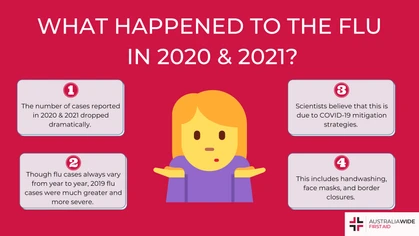
What Happened to the Flu in 2020 & 2021?
This year, the flu is hitting Australia hard. We've lost our natural immunity against the flu, as it all but disappeared for the last two years. It is important to understand why the flu disappeared, so we can manage the current flu season.
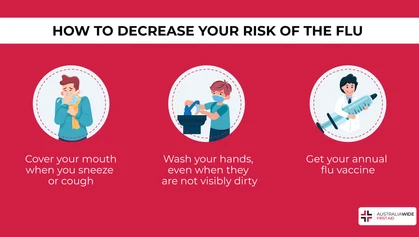
Decrease Your Risk of Flu
The flu is a contagious respiratory illness that affects the lungs, nose, and throat. Though the flu generally only causes mild symptoms, it can lead to serious health complications among certain high-risk groups.
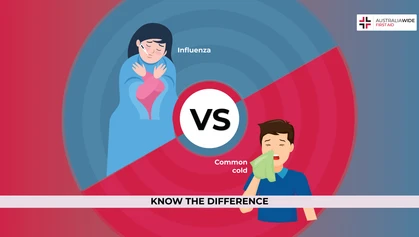
5 Differences Between Cold and Flu
Here in Australia, cold and flu season is well and truly upon us. Though the common cold and the flu have many similarities, there are some key differences to look out for to guide your treatment and recovery.
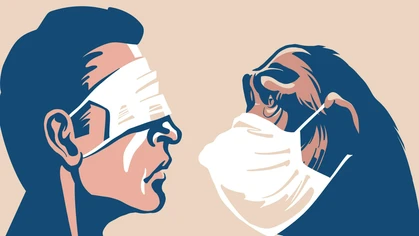
What is Monkeypox and Should you be Worried?
Monkeypox is a rare condition that is caused by the monkeypox virus. Its symptoms include fever, headache, and skin lesions. Cases of monkeypox have now been detected in Australia and across several European countries.
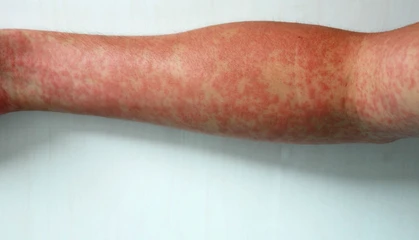
Measles in Australia
Measles is an acute, highly infectious illness caused by the measles virus. It can lead to serious complication such as pneumonia (lung infection) and encephalitis (inflammation to the brain)
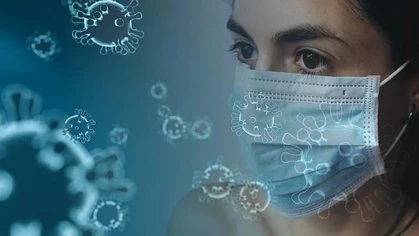
Our First Aid courses are necessary education
During this COVID-19 pandemic, our First Aid training continues in line with government guidelines. We make every attempt to safeguard the health and safety of our staff and students.