The Dangers of Sleep Deprivation to Your Brain and Body Function

Disease
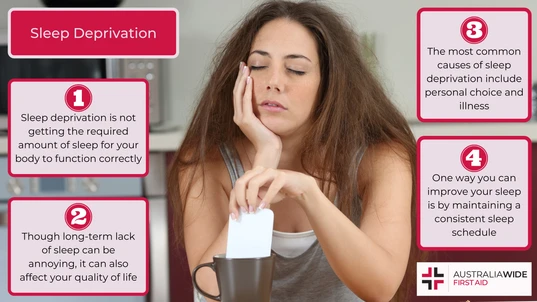
Sleep deprivation is not getting the required amount of sleep for your body to function correctly. Long-term lack of sleep can affect your ability to function and your quality of life. Sleep deprivation can be caused by lifestyle and environmental factors.
Sleep deprivation is not getting the required amount of sleep for your body to function correctly. Occasional sleep issues can be annoying, but long-term lack of sleep can affect your ability to function, quality of life, and health. The recommended amount of sleep ranges from seven to nine hours each night for adults. More sleep is required to ensure proper development and function for children and teenagers.What Happens When You Don't Get Enough Sleep?
Your body needs sleep to function properly, just as it needs air and food. During sleep, your body heals and restores itself. Without adequate sleep, your brain and body systems won't be able to function normally. There are short term and long term effects of sleep deprivation. Some of the effects of sleep deprivation on health, function and wellbeing include:- Memory issues
- Mood changes
- Trouble with thinking and concentration
- Accidents
- High blood pressure
- Weight gain
- Weakened immunity
- Low sex drive
- Poor balance
- Risk for diabetes
- Risk of heart disease
The Causes and Symptoms of Sleep Deprivation
In most people, sleep deprivation is caused by a consistent lack of sleep or reduced quality of sleep. Getting less than seven hours of sleep on a regular basis for most adults can cause a range of issues. Sleep deprivation can have causes that aren't due to underlying diseases such as sleep disorders. Often it's due to stress or poor sleeping habits. In adults, so many factors could lead to sleep issues due to stressful and busy lives. However, the most common causes of sleep deprivation include:- Personal choice
- Illness
- Work and study
- Sleep disorder
- Medications
- Sleeping environment
- Poor sleep hygiene
- Alcohol, coffee and other stimulants
- Parents with babies
- Excessive sleepiness
- Frequent yawning
- Irritability
- Daytime fatigue
How Much Sleep Do You Need?
According to the National Sleep Foundation, the target amount of sleeping hours is different depending on your age group, which are:- Adults 65+ years: 7 to 8 hours
- Adults 26 to 64 years: 7 to 9 hours
- Young adults 18 to 25 years: 7 to 9 hours
- Teenagers 14 to 17 years: 8 to 10 hours
- School children 6 to 13 years: 9 to 11 hours
- Preschool children 3 to 5 years: 10 to 13 hours
- Toddlers 1 to 2 years: 11 to 14 hours
- Infants 4 to 11 months: 12 to 15 hours
- Newborns 0 to 3 months: 14 to 17 hours
What Can You Do to Improve Your Sleep?
The best way to prevent sleep deprivation is to ensure you get an adequate amount of sleep. Of course, this is usually easier said than done, but it's essential to try. Often, you can improve the problem by making some immediate lifestyle changes. Suppose you're experiencing mild or occasional problems with sleep. In that case, there are some simple lifestyle changes you can try before seeing a doctor, such as:- Make getting enough sleep a priority by scheduling your sleep
- Keep a consistent wake-up time, even on weekends
- Put away electronic devices an hour before you go to bed
- Make time for relaxing down time before sleeping
- Avoid looking at the time if you wake up during the night
- Going to bed earlier every night
- Setting a regular sleeping and waking up time
- Reducing light and sound in your bedroom
- Limiting daytime naps
- Exercise regularly, but not in the hours before bed
- Not smoking, drinking alcohol, or drinking caffeine in the evening
- Using relaxation or meditation techniques
Further Treatments for Sleep Deprivation
There are many ways to support better quality sleep, including counselling, lifestyle changes, environmental adjustments, medication, and other alternative therapies. If you find yourself having problems with sleep, you can talk to your doctor or find someone specialising in sleep and sleeping disorders. They can also test you for underlying health conditions that might be causing your lack of sleep. Sometimes, sleep deprivation occurs because of more than just lifestyle factors. It can be caused by sleep disorders such as:- Obstructive sleep apnoea
- Narcolepsy
- Restless leg syndrome
- Insomnia
- Circadian rhythm disorder
First Aid Responses to Sleep Deprivation Issues
The long term effects of sleep deprivation are real and can either lead to or be caused by other serious health conditions. If you are living with someone suffering from a sleep disorder or other health problems as a result of sleep deprivation, you might need to administer first aid one day. You can learn how to handle these situations by doing a first aid course.
Originally published at
https://www.australiawidefirstaid.com.au/resources/dangers-of-sleep-deprivation
as part of the Australia Wide First Aid Articles Library
Related Articles
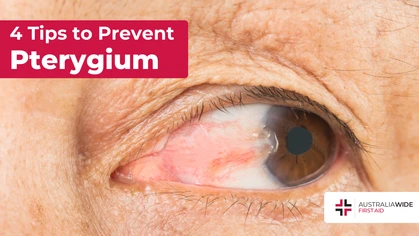
4 Tips to Prevent Pterygium
Pterygium, also known as surfer's eye, is an ocular surface disease characterised by a growth of limbal and conjunctival tissue over the cornea. Fortunately, you can practice many eye health habits to help prevent the development of pterygium and other risks.
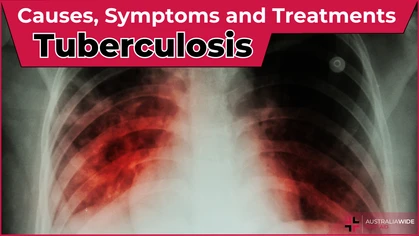
Tuberculosis
Tuberculosis is a severe bacterial infection that mainly affects the lungs and other parts of the body, including the nervous system. This contagious disease can quickly spread in crowded areas when an infected person coughs, talks, or sneezes.
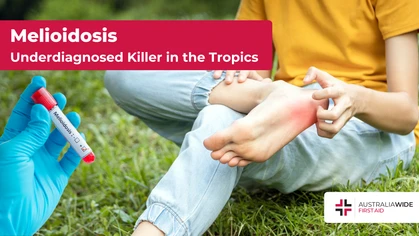
Melioidosis: A Killer Often Undiagnosed
Melioidosis is a bacterial infection caused by Burkholderia pseudomallei, a microorganism found in soil and water. This infection is often underdiagnosed due to symptoms mimicking many other illnesses. As such, awareness is critical for those living or working in affected regions.
Aspergillosis
Although the term Aspergillosis may sound like a tongue twister, it's something that all Australians should be aware of, particularly given our warm, humid atmosphere which is ideal for the formation of mould.
Measles – Symptoms, Treatment and Control
Measles is an acute, highly contagious illness caused by the measles virus. Characterised by a rash and fever, it can lead to serious complication such as pneumonia (lung infection) and encephalitis (inflammation to the brain). Measles is a notifiable illness, with medical staff required to notify their sate department of health. As such, it is something that we should all take very seriously.
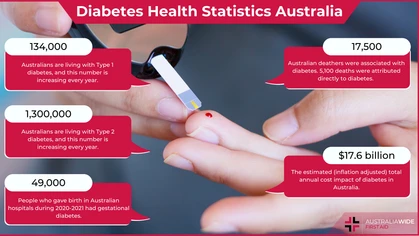
Diabetes Health Statistics Australia
Diabetes is of growing impact in Australia. The prevalence and impact of type 1, type 2, and gestational diabetes is increasing year by year. Recent data shows how many Australians are directly and indirectly impacted.
Prevent & Treat Hand, Foot & Mouth Disease
Hand, Foot, and Mouth Disease (HFMD) is a common viral infection that affects children under 5 years of age. It is characterized by painful sores on the hands, feet, and inside the mouth. Knowing the symptoms and treatment options can help stop the spread of this highly contagious disease.
Leading Cause of Death in Men
Heart disease is the leading cause of death for men in Australia, with coronary heard diseases at the top of the list. It is vital to identify early signs. Seeking medical advice early can help lower the risk of death.

New ASCIA Action Plans
For the first time since their implementation, ASICA Action Plans for Anaphylaxis have gone through a major reformatting.
Seizures After Stroke
Learn about the differences and similarities between strokes and seizures, including symptoms, causes, and treatment options. Find out how to recognise the signs and when to seek emergency medical help for these serious medical conditions.