Common Health Issues in Women

Disease
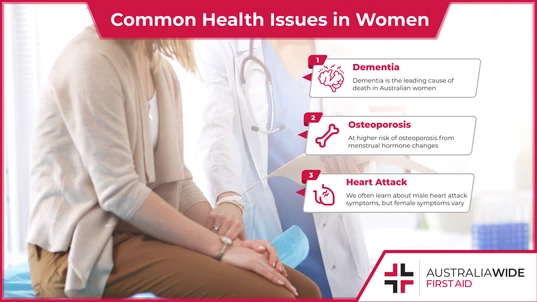
Many health conditions present differently in women, compared to men. Some conditions are also unique to women. It is important to understand the symptoms of common health issues in women, so that you can proactively safeguard your wellbeing.
Women are affected by many conditions and diseases similar to men, but these often present or affect them differently. Some diseases primarily affect women, such as reproductive system illnesses. On top of having different biological conditions, there are often social stigmas surrounding female health which inhibit prevention and treatment. For example, women tend to downgrade their pain, and many clinical trials only focus on male subjects. The female body also goes through many more changes than the male body, particularly during pregnancy and menopause. According to health data, women (56.5%) are more likely than men (49.5%) to have at least one chronic condition.Dementia
What is dementia?
Dementia describes the symptoms of a large group of illnesses that cause a progressive decline in a person’s functioning. This decline is a result of various diseases affecting the brain. There are many different forms of dementia, and each has its own causes. The most common types of dementia are:- Alzheimer's disease
- Vascular dementia
- Dementia with Lewy bodies
- Fronto Temporal Lobar Degeneration
- Huntington's disease
- Alcohol-related dementia
- Creutzfeldt-Jakob disease
Why does dementia impact women differently?
Dementia, including Alzheimer’s, is the second leading cause of death for people in Australia, and the leading cause of death for women. According to health data, almost two-thirds of people who died from dementia were women in recent years. Most people with dementia are older, but it’s important to remember that not all older people get dementia. It’s not a normal part of ageing or something to be expected. As we know, more women are affected by dementia than men, however, there is still debate as to why and how this is the case. Current research shows that the rate at which brain cells are dying in the brain is faster in women than in men. This is combined with the fact that women are more likely to live longer than men. However, although the risk of dementia increases with age, it is caused by diseases of the brain and not age alone. But potentially, if women tend to live longer and their brain cells die faster, these two things combined could be one reason why more women are diagnosed with dementia in Australia.How can women reduce their risk of dementia?
While we can’t stop getting older, or change genetics and family history, scientific research suggests that changing certain health and lifestyle habits may make a difference to reducing risk of dementia. The World Health Organisation has provided 12 recommendations for reducing the risk of general cognitive decline. These recommendations are:- Be physically active
- Stop smoking
- Eat a balanced diet
- Drink alcohol in moderation
- Do cognitive training
- Be socially active
- Manage body weight
- Manage hypertension
- Manage diabetes
- Manage cholesterol
- Manage depression
- Look after your hearing
Osteoporosis
What is osteoporosis?
Osteoporosis is a chronic disease that makes your bones less dense and more fragile. You’re more likely to break a bone from minor falls or injuries. Many people don’t know they have osteoporosis until they’re diagnosed with a fractured or broken bone.Why does osteoporosis impact women differently?
In Australia, health data shows that women (5.9%) are more likely to be diagnosed with osteoporosis than men (1.1%). Women are at a higher risk of developing osteoporosis than men, as hormone changes during menstruation directly affect bone density. Additionally, women with breast cancer have an increased risk of developing osteoporosis because of the treatments used and their effect on oestrogen levels.How can women reduce their risk of osteoporosis?
Unfortunately, there is no cure for osteoporosis, and we cannot entirely prevent it from happening. However, there are some things you can do to reduce your risk of developing osteoporosis. The symptoms can also be managed with lifestyle changes and prescription medicines if you develop osteoporosis. Osteoporosis can be managed through lifestyle changes, such as:- Stopping smoking
- Increasing exercise
- Doing bone strengthening exercises
- Maintaining a healthy weight
- Reducing alcohol intake
Heart Disease
What is heart disease?
There are many types of heart disease, including heart conditions, strokes and cardiovascular diseases. Some heart diseases are chronic conditions and dangerous for the person, and others can be managed relatively easily. Some of the more common types of heart disease include:- Arrhythmia
- Atherosclerosis
- Angina
- Atrial Fibrillation
- Cardiac Arrest
- Cardiomyopathy
- Coronary Heart Disease
- Heart Attack
- Heart Failure
- Heart Valve Disease
- Hereditary heart conditions
Why does heart disease impact women differently?
In Australia, although health data shows that heart disease is more common in men (4.9%) than women (3.1%), other factors make heart disease a unique problem for women. Historically, heart disease has been regarded as a man’s disease, so many women don’t recognise the risk factors. The signs and symptoms we commonly learn to recognise are typical of heart disease in men, not women. Heart disease in women is often undiagnosed, under-managed and under-reported. There is also often a poorer prognosis, greater likelihood of disability, and higher rates of illness and death compared with men.How can women reduce their risk of heart disease?
There are a couple of things to note when it comes to reducing the risk of heart disease, or knowing when you are suffering from a heart condition. There is a range of risk factors for heart disease. Some can be controlled or improved, and some cannot be controlled. Some of the risk factors that can be controlled or improved include:- Being inactive
- Being overweight
- Diabetes
- High blood pressure
- High cholesterol
- Smoking
- Unhealthy diet
- Age
- Biological sex
- Ethnic background
- Family history
- Pain
- Pressure
- Tightness
- Heaviness
- Chest
- Neck
- Jaw
- Arms
- Back
- Shoulders
- Shortness of breath
- Nausea
- Cold sweats
- Dizziness
Stay On Top of Your Health
Learn first aid to get on top of your health and reduce the risk of potential injuries and illness to yourself and those around you. If you’re ever unsure about your health risks or symptoms, you should seek advice from a medical professional.
Originally published at
https://www.australiawidefirstaid.com.au/resources/common-health-issues-in-women
as part of the Australia Wide First Aid Articles Library
Related Articles
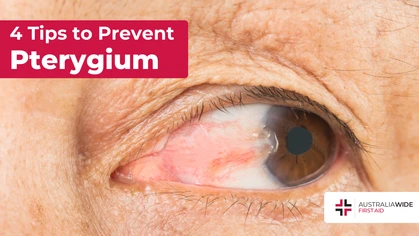
4 Tips to Prevent Pterygium
Pterygium, also known as surfer's eye, is an ocular surface disease characterised by a growth of limbal and conjunctival tissue over the cornea. Fortunately, you can practice many eye health habits to help prevent the development of pterygium and other risks.
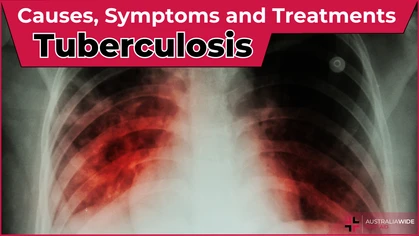
Tuberculosis
Tuberculosis is a severe bacterial infection that mainly affects the lungs and other parts of the body, including the nervous system. This contagious disease can quickly spread in crowded areas when an infected person coughs, talks, or sneezes.
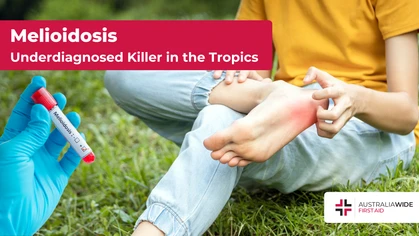
Melioidosis: A Killer Often Undiagnosed
Melioidosis is a bacterial infection caused by Burkholderia pseudomallei, a microorganism found in soil and water. This infection is often underdiagnosed due to symptoms mimicking many other illnesses. As such, awareness is critical for those living or working in affected regions.
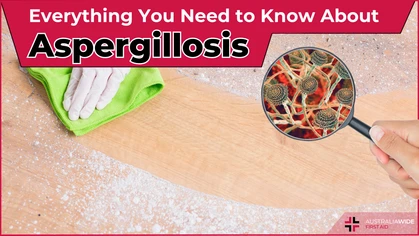
Aspergillosis
Although the term Aspergillosis may sound like a tongue twister, it's something that all Australians should be aware of, particularly given our warm, humid atmosphere which is ideal for the formation of mould.
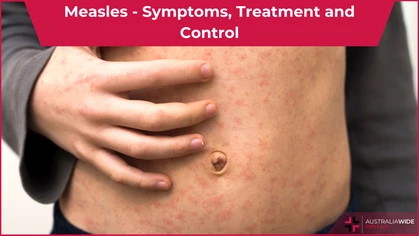
Measles – Symptoms, Treatment and Control
Measles is an acute, highly contagious illness caused by the measles virus. Characterised by a rash and fever, it can lead to serious complication such as pneumonia (lung infection) and encephalitis (inflammation to the brain). Measles is a notifiable illness, with medical staff required to notify their sate department of health. As such, it is something that we should all take very seriously.
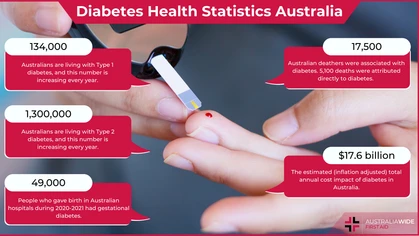
Diabetes Health Statistics Australia
Diabetes is of growing impact in Australia. The prevalence and impact of type 1, type 2, and gestational diabetes is increasing year by year. Recent data shows how many Australians are directly and indirectly impacted.
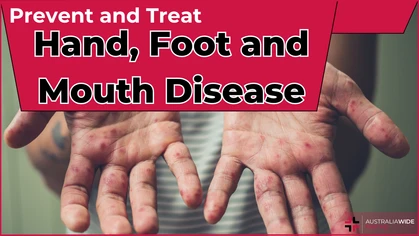
Prevent & Treat Hand, Foot & Mouth Disease
Hand, Foot, and Mouth Disease (HFMD) is a common viral infection that affects children under 5 years of age. It is characterized by painful sores on the hands, feet, and inside the mouth. Knowing the symptoms and treatment options can help stop the spread of this highly contagious disease.
Leading Cause of Death in Men
Heart disease is the leading cause of death for men in Australia, with coronary heard diseases at the top of the list. It is vital to identify early signs. Seeking medical advice early can help lower the risk of death.

New ASCIA Action Plans
For the first time since their implementation, ASICA Action Plans for Anaphylaxis have gone through a major reformatting.

Seizures After Stroke
Learn about the differences and similarities between strokes and seizures, including symptoms, causes, and treatment options. Find out how to recognise the signs and when to seek emergency medical help for these serious medical conditions.