Cold Packs vs. Heat Packs: A First Aid Guide

First Aid Equipment
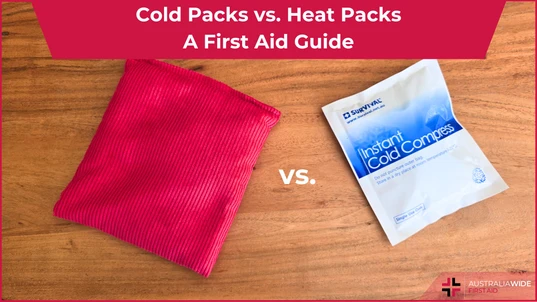 In the realm of first aid, the use of cold packs and heat packs is fundamental for managing a variety of injuries and conditions.
Knowing when to apply each can significantly impact the effectiveness of the treatment and the speed of recovery.
This guide aims to clarify the appropriate situations for using cold packs versus heat packs.
In the realm of first aid, the use of cold packs and heat packs is fundamental for managing a variety of injuries and conditions.
Knowing when to apply each can significantly impact the effectiveness of the treatment and the speed of recovery.
This guide aims to clarify the appropriate situations for using cold packs versus heat packs.
Cold Packs vs Heat Packs
Cold pack and heat packs are both incredibly useful first aid tools, but in very different ways. A cold pack, also called an ice pack or cold compress, is a portable bag filled with liquid (could be water, refrigerant gel, or other) or ice, to provide cooling. They work to reduce swelling at an injury site by restricting the blood flow to the area. Cold also helps to decrease pain signals. A heat pack, on the other hand, produces heat for the body to absorb. In doing so, blood vessels dilate (become wider), allowing more blood to flow to the affected area. The blood brings with it more oxygen and nutrients, allowing for a speedier recovery. Heat packs also provide relief from pain, tightness, and stiffness in joints and muscles.When to Use a Cold Pack
Acute Injuries Cold packs are most effective when applied to acute injuries, which are sudden injuries caused by trauma, such as a sprained ankle, a bruised knee, or a muscle strain. The cold helps by constricting blood vessels, reducing blood flow to the area, and thus minimizing swelling and inflammation. Reducing Swelling and Inflammation For injuries that result in immediate swelling, such as after an impact or a fall, cold packs can help control the swelling. Applying a cold pack within the first 48 hours is crucial for managing inflammation. Pain Relief Cold therapy can also numb the affected area, providing relief from pain. This is particularly useful for minor burns, insect bites, and muscle aches where numbing the area can reduce the perception of pain. Fever Reduction In cases of high fever, cold packs can be used to help lower body temperature. Placing cold packs on the forehead, wrists, or the back of the neck can assist in cooling the body down.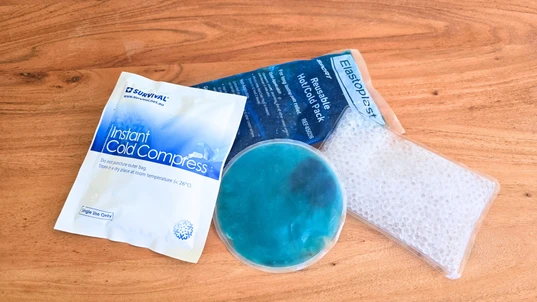
How to Use a Cold Pack
Apply the cold pack to the injured area for 15-20 minutes at a time. Use a thin cloth or towel to protect the skin from direct contact with the cold pack. Repeat every 2 hours as needed, especially within the first 48 hours post-injury.When to Use a Heat Pack
Chronic Injuries Heat packs are ideal for treating chronic injuries or conditions, such as arthritis, chronic muscle pain, or joint stiffness. The heat helps by dilating blood vessels, increasing blood flow, and relaxing tight muscles. Muscle Soreness and Tension For muscle soreness or tension resulting from overexertion or stress, heat packs can soothe and relax the muscles. This is particularly beneficial after physical activity or a long day of work. Stiff Joints Applying heat can help improve flexibility and range of motion in stiff joints. This is useful for conditions like osteoarthritis or for warming up stiff muscles before exercise. Period Pain Heat therapy is effective in alleviating period pain. Applying a heat pack to the lower abdomen can relax the muscles of the uterus, providing relief from the pain.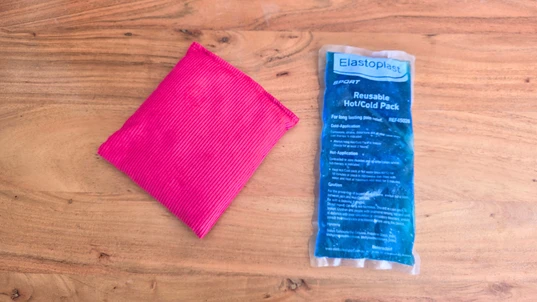
How to Use a Heat Pack
Apply the heat pack to the affected area for 15-20 minutes. Ensure the heat pack is warm, not hot, to avoid burns. Use a cloth or towel as a barrier if necessary. Repeat several times a day as needed for chronic conditions.Key Considerations
Timing For acute injuries, apply cold packs immediately and continue for up to 48 hours. For chronic conditions or ongoing pain, heat therapy can be used as needed, especially before activities that may aggravate the condition. Protection Always use a barrier like a cloth or towel between the skin and the pack to prevent frostbite from cold packs or burns from heat packs. Alternating Therapy In some cases, alternating between cold and heat therapy (contrast therapy) can be beneficial. For example, using a cold pack to reduce initial swelling and then a heat pack to relax muscles and improve blood flow. Medical Advice Consult a healthcare professional if unsure about which therapy to use, or if the injury or condition does not improve with home treatment.Conclusion
Understanding when to use cold packs versus heat packs is crucial in first aid and injury management. Cold packs are best for acute injuries, swelling, and pain relief, while heat packs are ideal for chronic pain, muscle soreness, and joint stiffness. Proper application and timing can enhance recovery and comfort, making these simple tools highly effective in managing a range of conditions.
Originally published at
https://www.australiawidefirstaid.com.au/resources/cold-packs-vs-heat-packs
as part of the Australia Wide First Aid Articles Library
Related Articles
How and When to Use a Heat Pack
Heat packs are a valuable tool in first aid for treating a variety of conditions, particularly those involving chronic pain, muscle tension, and joint stiffness. Proper use of heat therapy can enhance recovery and provide significant pain relief. This guide outlines how and when to use a heat pack effectively.
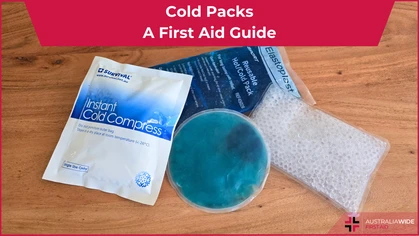
How and When to Use a Cold Pack
Cold packs are a fundamental tool in first aid for managing a variety of injuries and conditions. Their proper use can significantly reduce pain, swelling, and promote faster recovery.
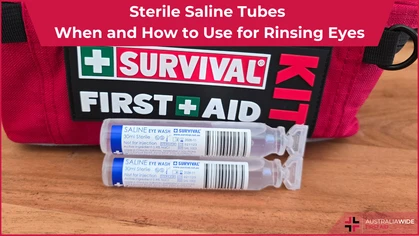
Sterile Saline Tubes for Rinsing Eyes
Accidents and injuries involving the eyes can be alarming and require immediate attention to prevent further damage. Sterile saline tubes are a critical component in first aid for eye care, providing a safe and effective way to rinse out irritants, debris, or chemicals. Here’s an essential guide on when and how to use sterile saline tubes for rinsing eyes.

Shock Blankets
In the realm of first aid, every second counts. When faced with emergencies ranging from severe injuries to sudden trauma, providing immediate care can significantly impact outcomes. Among the arsenal of tools available to first responders and caregivers, shock blankets stand out as a simple yet invaluable resource.
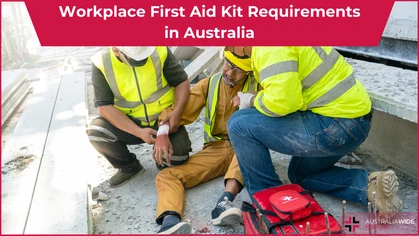
Workplace First Aid Kit Requirements
In workplaces across Australia, ensuring the safety and well-being of employees is paramount. One critical aspect of maintaining a safe work environment is having a properly stocked first aid kit readily available.
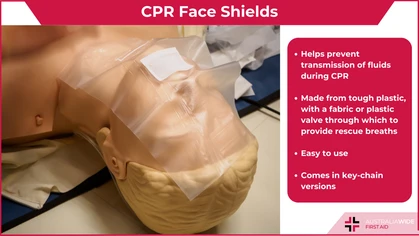
Disposable Face Shields
A face shield, or CPR face mask, is essentially a plastic sheet with a fabric section containing a non-return valve. It is of a size to place over the face of a person in need of resuscitation and can help protect the rescuer from any fluids that may be present in and around the mouth of the casualty.
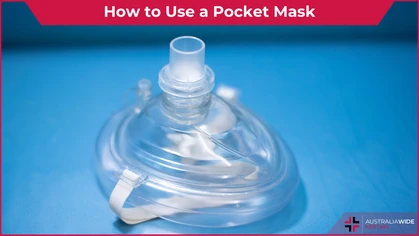
How to Use a Pocket Mask
CPR involves mouth-to-mouth contact, which can put both the caregiver and the patient at risk of exposure to body fluids. This is where personal protective equipment (PPE) comes in, and one of the most important PPE items is a resuscitation mask.

Camping First Aid Kit Essentials
Camping in Australia offers the opportunity to explore our diverse landscapes, from pristine beaches to rugged mountains and dense forests. While immersing yourself in the great outdoors, it's crucial to be prepared for unexpected disasters. From simple scratches and insect bites, all the way to life-threatening emergencies, it pays to be prepared.

House Party First Aid Kit
Party season is upon us, especially for those with teens who are shortly finishing school. While safety is often not top of mind for house parties, knowing that you have an appropriately stocked first aid kit can certainly be comforting.
First Aid Must-Haves: What Your Kit Should Include!
Having essential first aid items on hand is critical for any emergency situation. Good health and a well-stocked first aid kit are essential for a prompt response. Strategies for building a comprehensive first aid kit, and the benefits of taking a first aid course, will help you be prepared for any emergency. This article will discuss the essential supplies for every first aid kit and what you need to keep on hand.