Australian Wolf Spiders: The Stealthy Hunters Lurking in Your Backyard

Bites and Stings
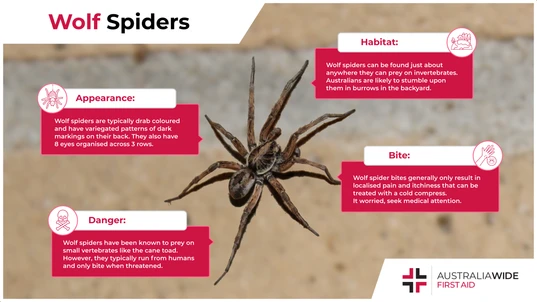
Australian Wolf spiders are most common in suburban backyards, where they use their superb hunting skills to stalk prey. They have also been known to venture indoors to stay warm.
The Australian wolf spider gets its name from its distinct hunting skills. They use their agility and excellent eyesight to stalk their prey, much like a wolf. As Australian wolf spiders have been known to venture indoors, it is important to be familiar with their characteristics and bite, both of which we will cover in this article. We also look at spider bites in our general and childcare first aid courses and have training locations throughout every state, capital city, and major town in Australia. Head to our Locations page to enrol in a first aid course near you.Introduction
According to Live Science, there are nearly 2,400 species of Wolf spiders distributed across the globe in a wide range of coastal and inland habitats, including shrublands, rainforests, and open woodlands. The most common Wolf spider in Australia, the Garden wolf spider (Tasmanicosa godeffroyi) prefers suburban backyards. Wolf spiders feed primarily on ground-dwelling invertebrates like crickets, ants, and other spiders, though larger specimens have also been known to feed on a selection of small vertebrates like frogs, toads, and lizards. In fact, they are known predators of the Cane toad.Appearance
Australian wolf spiders have the following characteristics:- Most specimens are drab in colour and have grey, brown, or black markings
- Their underside is generally light grey, cream or black with superimposed black or white markings
- They have long legs and can range in size from 1.2 to 5 centimetres
- Their body is relatively hairy
Habitat
Australian wolf spiders are widely distributed across the country. They are commonly found in suburban backyards, where they shelter in leaf litter or burrows that may or may not have a trapdoor made from pebbles, twigs, and other materials. Female Wolf spiders carry their egg sac on their abdomen until the eggs hatch. As such, they have been known to enter homes to protect their egg sacs and hatchlings from cold conditions.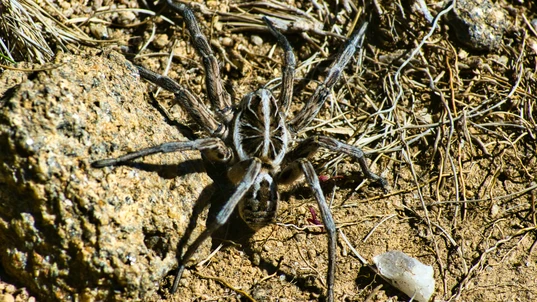
Though Australian wolf spiders are known as wanderers, some build burrows or temporary retreats in vegetation. Most specimens have markings on their body, typically organised as radiating lines or scroll-like patterns.
Danger
Australian wolf spiders are not considered dangerous to humans. Wolf spiders prefer to run away from trouble and will only bite when threatened. As such, if you inadvertently dig one up while tending to your garden, allow it to scurry away to a new hiding place.First aid
Australian wolf spider bites generally only cause mild symptoms like localised pain or itchiness. Less common and more severe symptoms can include prolonged pain and swelling at the bite site, as well as nausea, dizziness, and a rapid pulse. In any case, you should treat Wolf spider bites using the following first aid procedure:- Reassure the casualty and keep them under constant observation.
- Apply a cold compress to the bite site for periods of up to 20 minutes to lessen the pain.
- If the casualty is a young child (under 8 years), a pregnant woman, or if they exhibit any signs of deterioration, follow the basic life support guidelines per DRSABCD and call Triple Zero (000) for an ambulance.
- DO NOT use the Pressure Immobilisation Technique, as the venom moves slowly and this will just worsen the pain.
Fun facts
- Some inland species of Wolf spiders have a salmon pink underside
- Once Wolf spider hatchlings are ready to disperse, they send out web-like tendrils that catch in the wind and ‘balloon’ the hatchlings to new locations
- One easy way to work out if you have a local population of Wolf spiders is to shine a torch on your lawn at night, as their eyes shine green under torchlight
Final thoughts
If you would like to learn more about providing spider bite first aid, enrol in one of our general or childcare first aid courses. We have training locations in every state, capital city, and major town throughout Australia. Head to our website to enrol at a training Location near you.
Originally published at
https://www.australiawidefirstaid.com.au/resources/australian-wolf-spider
as part of the Australia Wide First Aid Articles Library
Related Articles

The Common Spiders of Darwin
Darwin, the tropical capital of Australia’s Northern Territory, is home to a rich diversity of wildlife - including an impressive array of spiders. From the sprawling webs of golden orb-weavers to the cryptic camouflage of trapdoor spiders, these arachnids play a vital role in the local ecosystem. While some may inspire fear, the majority are harmless and even beneficial, helping to control insect populations.
First Aid for a Cat Bite
Cat bites, while often underestimated, can lead to serious health complications if not treated promptly and properly. Cats' mouths harbour a variety of bacteria that can cause infections in humans.
First Aid for Drop Bear Attacks
Encounters with wildlife can often be thrilling, but when it comes to the creature known as the drop bear, the experience can quickly turn dangerous. A sharp increase in recent attacks prompts the need for understanding proper first aid procedures in case of an attack.
First Aid for Funnel Web Spider Bites
Encountering a funnel web spider can be a frightening experience, and if a bite occurs, it is crucial to act swiftly and effectively to minimize the potential risks associated with their venom.

How to Treat Cat Scratches
Cats are beloved pets for millions of people worldwide, but sometimes even the most gentle feline can become agitated or scared, leading to scratches. While cat scratches are usually not serious, they can still be painful and carry the risk of infection.
5 Most Common Ants in Australia
Australia is home to a remarkably diverse array of ant species, showcasing a fascinating range of characteristics and behaviours. By understanding the identification, range, and behaviours of these ants, individuals can navigate their surroundings with greater awareness and appreciation.
5 Most Common Bees in Australia
Recognizing the significance of bees' positive impact, it becomes imperative to acquaint ourselves with the various species, distinguishing characteristics, geographical distributions, stinging tendencies, and suitable first aid measures for bee stings.
5 Common Wasps in Australia
Australia is home to a diverse range of insect species, including several types of wasps. While some wasps are beneficial as predators of other pests, others can pose a threat due to their stinging capabilities.
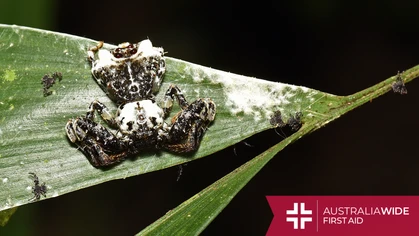
The Bird Dropping Spider: A Master of Mimicry
As their name suggests, the Bird Dropping Spider has developed colorations and patterns that mimic bird poo. This ingenious disguise means they can thrive in a wide variety of habitats, including suburban gardens.
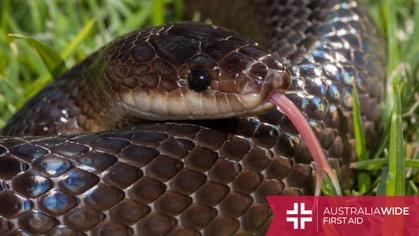
The Slaty Grey Snake | Snake Facts
One of the most common snake species in Darwin and Australia's Top End region, the Slaty grey snake is a medium-sized species with shiny scales. They have been known to defend themselves aggressively when disturbed.