Asthma Triggers and Asthma Plans

Allergy and Asthma
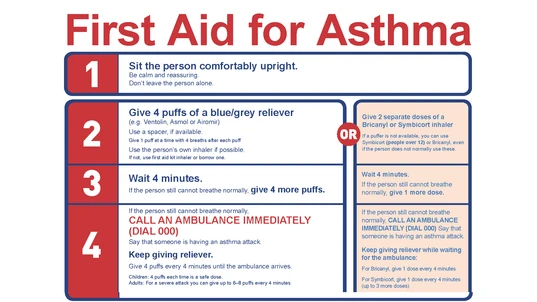
First Aid for Asthma
'Asthma Triggers' bring on a person's asthma symptoms, often times creating a medical emergency. Asthma triggers are not the same for everyone. For that reason, Asthma Action Plans are personalised. The purpose of an Asthma Management plan is to advise which actions to take should the owner be exposed to a trigger. The owner's asthma triggers are identified in the management plan and tips are provided on how to reduce exposure to them. Asthma sufferers should work with their doctor to determine which factors trigger their symptoms. Solutions and alternatives can be discussed. For example, you can decide together on a level of exercise you could safely manage.Common Triggers
Despite asthma triggers varying significantly, common triggers include:- Colds & flu
- Cigarette smoke
- Exercise
- Inhaled allergens (e.g. pollens, moulds, animal dander, dust mites)
- Environmental factors (e.g. dust, pollution, wood smoke, bush fires)
- Changes in temperature and weather
- Certain medications (e.g. aspirin)
- Chemicals and strong smells (e.g. perfumes, cleaning products)
- Emotional factors (e.g. laughter, stress)
- Some foods & food preservatives, flavourings & colourings (uncommon)
Colds and Flu
Colds and flus are part of life and difficult to avoid. During cold and flu seasons, wash your hands regularly and try to avoid close contact with people who have cold and flu symptoms. Eat a healthy vitamin-enriched diet and make sure you are getting sufficient sleep. The flu vaccine is recommended if, for example, your respiratory health is compromised by asthma. Otherwise, in such a compromised case, it's possible a flu infection could develop into pneumonia.Inhaled Allergens
Regular cleaning of your home will help keep allergens – moulds, animal fur (dander), dust mites, etc – at bay. Air purifiers and filters are designed to combat allergens. As effective as these systems claim to be, they cannot guarantee to eliminate all allergens in your home. The particles still present may continue to cause asthma symptoms in sensitive people. Washing bedding regularly in hot water helps. Special dust-proof bedding and hypoallergenic pillows that limit dust and act as a barrier to dust mites, can also be purchased.Cigarette Smoke
Cigarette smoke reduces the effect of asthma medication and increases the risk of an asthma attack. It’s not easy to avoid cigarette smoke. You’ll need to actively avoid situations and places where people smoke, including avoiding smokers while you're out walking. Talk to your friends and work colleagues about your asthma and let them know that cigarettes smoke can trigger an asthma attack.Environmental Factors
Environmental factors are difficult to avoid. Get to know the areas where fumes and pollution are prevalent. Panel beaters, factories, and industrial areas can all trigger asthma attacks. Take precautions or avoid those places where possible. Avoid exercising in areas with high pollution and opt for somewhere with cleaner air. If high pollution is a regular concern, talk to your doctor about increasing your medication to help counteract this trigger.Asthma Action Plan in place
You need an Asthma Action Plan because exposure to asthma triggers will at some point be unavoidable, despite your best efforts. Should an asthma attack have you in its grip, a person at the scene could help you without delay by following clear instructions in your Asthma Action Plan. This is why it's important to keep it, and an asthma inhaler, on your person at all times, wherever possible. A good Asthma Action Plan includes:- Instructions about your medication and where it’s usually kept
- A list of your asthma triggers, in order to minimise further exposure
- Advice on determining whether your asthma is getting worse
- Instructions on what to do should symptoms worsen
Signs of an Asthma Attack
- Increasing wheezing, coughing, tightness in the chest, shortness of breath
- Waking often at night with asthma symptoms
- Asthma reliever is needed again within 3 hours
Signs of an Asthma Emergency
- Symptoms get worse very quickly
- Severe shortness of breath, struggle to speak, lips look blue
- Little or no relief from asthma reliever/inhaler
Not sure it's asthma?
If a person is conscious but their breathing is a problem, follow the asthma first aid steps. If they’re not asthmatic, asthma reliever medicine is unlikely to harm them.Severe Allergic Reactions
Find and follow the person’s Action Plan for Anaphylaxis if available. If the person experiencing a severe allergic reaction has a history of severe allergies, administer their adrenaline auto-injector (e.g. EpiPen) before providing asthma reliever medicine. If you are unsure what to do: Dial 000 to call an ambulance immediately Tell them it’s an asthma emergency Follow the steps outlined on the chart displayed at the top of this page. If someone near and dear to you is an asthma sufferer, learning first aid is highly recommended. Our first aid courses cover first responder treatment for asthma. Our Provide First Aid courses include not only a solid understanding of asthma symptoms and use of inhalers, but also a comprehensive array of treatments for medical emergencies of all kinds.
Originally published at
https://www.australiawidefirstaid.com.au/resources/asthma-triggers-and-asthma-plans
as part of the Australia Wide First Aid Articles Library
Related Articles
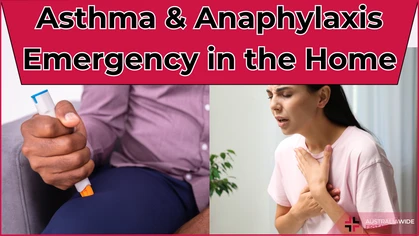
Asthma & Anaphylaxis Emergency First Aid
In an asthma or anaphylaxis emergency you should know the symptoms, remove triggers, and know how to respond. Read on to understand these important aspects in the context of such an emergency.
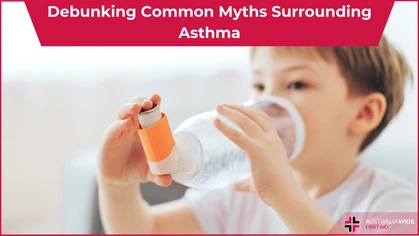
Debunking Common Myths Surrounding Asthma
Asthma, a chronic respiratory condition affecting millions worldwide, is often shrouded in myths and misconceptions. Despite how common it is, there is a distinct lack of common knowledge. This is leading to potential mismanagement and unnecessary anxiety for those living with asthma.
Coping with Dust Allergies
For many Australians, our city and outdoor lifestyles come with a hidden challenge – dust allergies. Dust mites, pollen, and other airborne particles can trigger allergic reactions, affecting a significant portion of the population.
Say Goodbye to Pollen Allergies
If you suffer from pollen allergies, you know how miserable it can make you feel. Pollen allergies are caused by an overreaction of the body's immune system to the proteins found in the pollen of plants. Fortunately, there are a variety of treatments to manage pollen allergies, including medications, immunotherapy, and first aid.
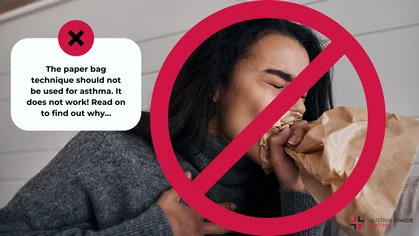
Why Paper Bag Technique Won't Work for Asthma
The paper bag technique is known for a being one way to deal with panic attacks. It’s possible for a person to believe they are having a panic attack when they are actually experiencing an asthma attack, or a diabetic or cardiac problem. What would happen if they resort to paper bag technique?
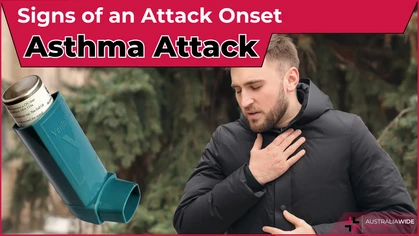
Signs of an Asthma Attack Onset
Knowing the signs and symptoms of mild, moderate, and severe asthma attacks can help avoid an asthma emergency.
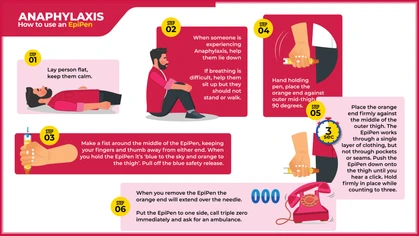
EpiPen Guide: Comprehensive Information
The EpiPen is an essential medical device used to treat severe allergic reactions and anaphylaxis. It delivers a fixed dose of adrenaline via intramuscular injection into the leg muscle, which helps combat anaphylactic symptoms such as low blood pressure and breathing difficulties. Adrenaline is a natural hormone that is produced by the body in response to an allergic reaction. Administering an EpiPen can reduce the risk of hospitalization and death if done early enough. It is important to know how to use an EpiPen correctly, as it can be administered by anyone, including those without medical training or self-administered. If you or someone you know is at risk of severe allergic reactions or anaphylaxis, it is essential to have an EpiPen on hand and to know how to use it in an emergency.
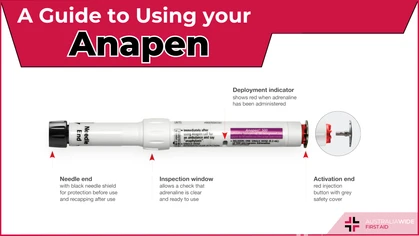
Anapen Guide: Using Auto-Injectors for Anaphylaxis Emergencies
Anapen is an alternative treatment option to the Epipen. Although the two auto-injectors look similar, they have vastly different administration techniques. For this reason, it is important to know how to administer the new Anapen to prevent incorrectly administering the life-saving treatment. This guide will provide you with a comprehensive overview of the Anapen and how to administer it, as well as anaphylaxis first aid for Allergy Emergencies.
Managing Asthma & Anaphylaxis: Essential Tips for Staying Safe
Asthma and anaphylaxis are serious medical conditions that can be life threatening if not managed properly. This article provides a step-by-step guide to recognizing the signs and symptoms of asthma and anaphylaxis, emergency first aid for asthma and anaphylaxis, preventing and managing asthma and anaphylaxis, and the importance of taking a first aid course for asthma and anaphylaxis management.
Navigating Pollen Season
Australians are no strangers to asthma. With the ever-present pollen season, sufferers must take extra precautions to protect their health. Understanding asthma and the effects of pollen season in Australia can help sufferers better manage their condition. First aid tips, maintaining good health, and taking a first aid course can help save lives during asthma attacks. This article will delve into the specifics of battling asthma in Australia during pollen season.